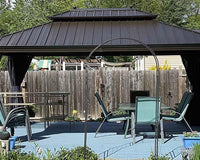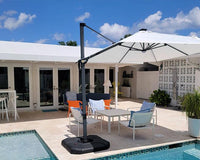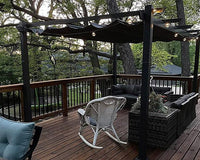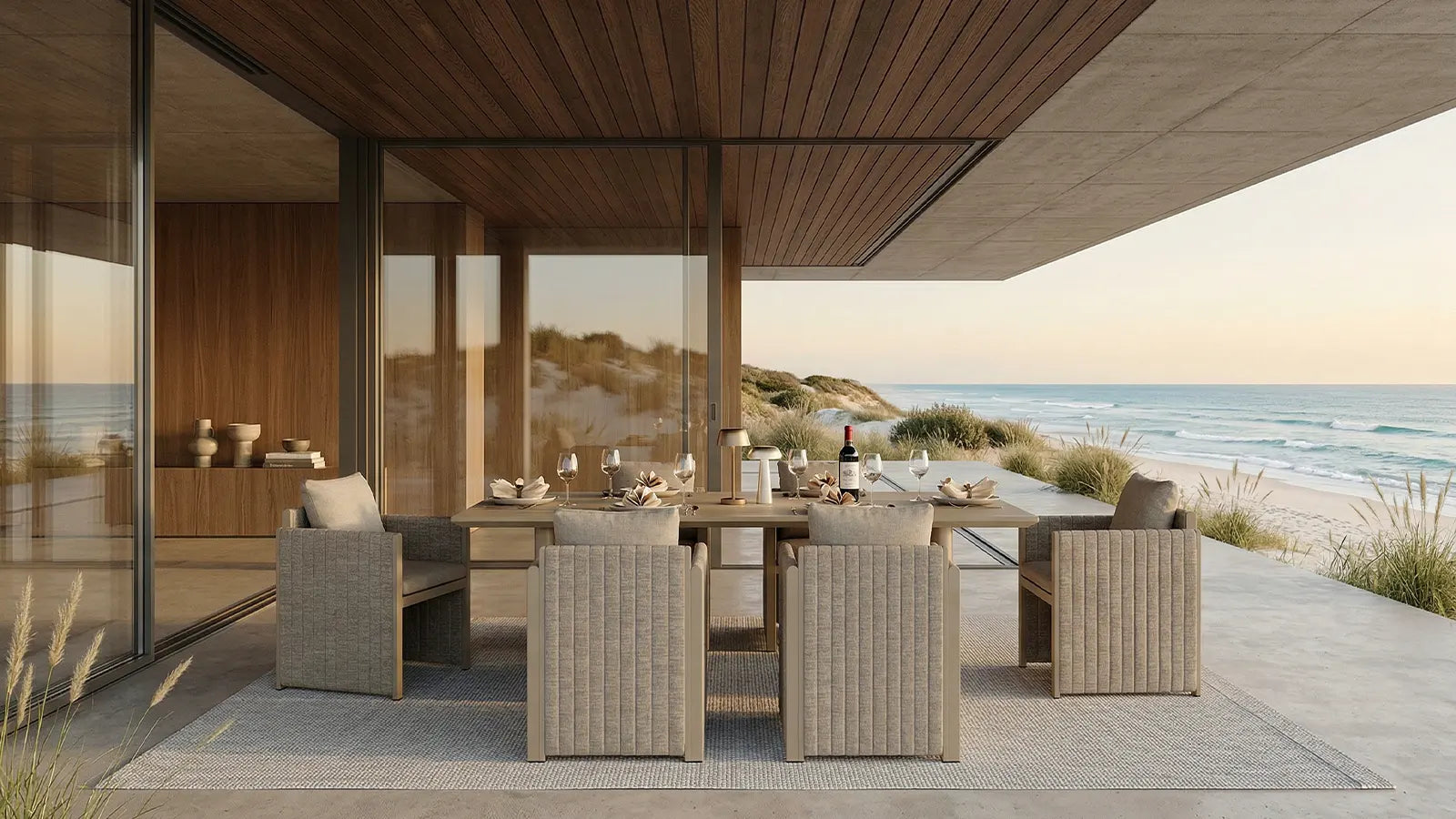
The best patio furniture fits your available space, supports the activities you enjoy outdoors, and suits the weather your patio faces through the year. A roomy backyard can still feel cramped with an oversized sectional, while a compact deck can work beautifully with the right table and chairs. Measure the area, identify your main use, and consider sun, rain, humidity, and seasonal storage before selecting a set. Those decisions create a patio that feels comfortable and works day after day.
How Much Patio Space Do You Need for Comfortable Outdoor Seating?
You need enough room to sit, move, and use each piece without blocking doors or creating a tight path. Measure the usable surface after accounting for planters, grills, steps, railings, and doors that swing outward. Mark the dimensions with painter’s tape or cardboard before ordering. This simple test reveals how a dining table, sofa, or chaise lounge will actually occupy the patio.
Allow space behind dining chairs for pulling them out, then leave a comfortable route from the house to the yard. A small patio benefits from furniture with a defined purpose, such as a round table for two, a compact conversation set, or paired loungers beside a pool. The best patio furniture for small spaces often has slimmer arms, fewer pieces, or flexible seating that can be moved as needed.
Think beyond the furniture footprint. A coffee table needs space around it, dining chairs need room to move, and a chaise lounge needs enough length for reclining. If your patio connects to a grill, outdoor kitchen, or storage box, map those zones before choosing a layout. A clear circulation route makes the seating area calmer and easier to use.

Which Patio Furniture Layout Works Best for How You Use the Space?
The right layout follows your primary activity. Choose patio dining sets for outdoor entertaining if meals, weekend brunches, or family gatherings shape most of your time outside. A table and chairs create a practical center for serving food, while a rectangular table can work well along one side of a deck or patio.
Choose patio conversation sets for backyard seating if your goal is relaxed conversation, coffee, or an evening drink. A sofa with lounge chairs facing inward creates a social arrangement without the formality of a dining table. Modular pieces can help you adapt the seating as plans change, though each section still needs enough room to avoid crowding the patio.
Outdoor chaise lounges for poolside use work well in a sun focused area where reclining will not block the main route. Place a small side table within reach for a drink, book, or sunscreen. For a mixed use patio, divide the space into zones. Put dining furniture closer to the house for easy serving, then position conversational seating farther out where guests can settle in.
How Should Your Local Climate Shape the Materials You Choose?
Your climate should influence both the material and the care routine. For the best patio furniture for hot climates, look for finishes and fabrics that suit regular sun exposure, then plan a shaded area or cover for cushions during the brightest part of the day. Light colored surfaces can feel more comfortable to touch in direct sun, while breathable sling seating can be practical near a pool.
For the best patio furniture for rainy climates, drainage and drying matter. Choose cushions with removable covers when practical, allow airflow around furniture, and avoid leaving damp textiles compressed under a cover for long periods. Wipe standing water from tabletops and frames after storms, then let cushions dry fully before storage. A furniture cover can reduce exposure to debris, though it should be removed periodically so trapped moisture can escape.
Aluminum is commonly chosen for a patio because it is relatively light and easy to move. Wicker style furniture can create a softer, textured look, while wood accents bring warmth to a dining or lounge arrangement. Each material has a different cleaning and storage routine, so check the care instructions for the specific item before purchase. In regions with freezing temperatures, move or cover cushions before winter and inspect frames, fasteners, and fabric at the beginning of each outdoor season.

Compare Dining Sets, Conversation Sets, and Chaise Lounges
Each furniture type solves a different need. A dining set prioritizes eating comfort, serving space, and chair placement. A conversation set prioritizes face to face seating and a lower table for drinks or snacks. A chaise lounge prioritizes reclining support and individual relaxation. Combining functions can work well on a larger patio if the layout still leaves a comfortable path through the space.
For frequent meals, choose a table height that feels natural for dining and select enough chairs for your usual group. For conversation areas, pay attention to seat depth, back support, cushion thickness, and the distance between chairs. For loungers, consider backrest positions, wheels, side tables, and the amount of open deck or poolside space available.
For poolside use, our Outdoor Chaise Lounge Sunbrella Patio Lounge Chair Recliner and Cushion offers an adjustable backrest with five positions and Sunbrella fabric options. Confirm the dimensions and selected configuration before ordering, since lounge chairs need substantial floor space when fully reclined.
What Should You Check Before Ordering Patio Furniture?
Check the assembled dimensions, piece count, delivery route, and assembly requirements before placing an order. Measure gates, stairs, elevators, and narrow side passages if the furniture must travel through them. Review the exact material, cushion details, included parts, and care instructions for the configuration you plan to buy. The best patio furniture fits the patio and can also reach the patio without an avoidable delivery problem.
Review the surface under the furniture as well. Dining chairs and chaise lounges work best on a reasonably level area, while adjustable feet may help with minor variation. If you plan to place furniture under a pergola or near a railing, account for posts, shade movement, and the clearance needed to pull out chairs. Consult a qualified professional or local authority before changing a deck, adding electrical elements, or attaching anything to a structure.
Make a seasonal care plan before the first delivery arrives. Keep a soft cloth and mild cleaner available for routine cleaning, store cushions in a dry location during extended wet weather, and check covers for fit and ventilation. Comfortable patio furniture for relaxing stays inviting when cleaning and storage fit easily into your normal routine.
Choose Patio Furniture That Fits Your Space and Enjoy More Time Outdoors
The best patio furniture choice begins with a tape measure, a clear idea of how you use the space, and an honest look at local weather. Give dining, conversation, or lounging a defined place on the patio, then choose materials and features that fit your care routine. A carefully measured arrangement can make a small deck feel useful and a large backyard feel organized. Compare the seating styles that fit your daily outdoor habits, then select the pieces that make spending time outside easy and comfortable.

FAQs
Can Patio Furniture Sit on Grass or Gravel?
Yes, temporary seating can sit on grass or gravel if the surface is firm and level. Check each chair leg and table foot for stability before use. Soft grass can allow narrow legs to sink, while loose gravel can make a dining table wobble. A patio pad, deck tile, or stable base provides a more dependable setup for frequent use.
Is a Round or Rectangular Table Better for My Patio?
Choose a round table for a compact or square patio where smooth circulation matters. Choose a rectangular table for a long, narrow space or for serving larger meals. Mark the table shape on the ground before ordering, then add the chair pullout space around it. The better option is the one that leaves a comfortable route beside the chairs.
Can I Mix Furniture Materials in One Seating Area?
Yes, mixed materials can work well when the pieces share one visual element, such as frame color, cushion tone, or tabletop finish. For example, aluminum chairs can sit beside a wood accented table if the scale feels balanced. Keep the number of finishes limited so the space feels intentional instead of crowded.
How Do I Use an Outdoor Rug Under Patio Furniture?
Choose an outdoor rug that is large enough for the front legs of chairs or sofas to rest on it. Keep the rug flat and clear of door swings, grill areas, and drainage paths. Clean beneath it periodically so dirt and moisture do not remain against the patio or deck surface for extended periods.
When Should I Use Furniture Covers?
Use covers after furniture is clean and fully dry, especially during extended periods without use or before prolonged rain, snow, or heavy debris. Remove the cover periodically to check for moisture and allow airflow. A cover works best as one part of a care routine that also includes cleaning, drying, and seasonal cushion storage.