Outdoor furniture climate fit is about matching the material, finish, hardware, and maintenance plan to your weather and how the space gets used. A covered deck and an open patio in the same city can need different choices. If you start with the harshest local condition first, the rest of the decision gets easier.

What Climate Fit Really Means
Climate fit is the practical match between your local weather and the way a furniture set is built. Sun exposure, moisture, salt air, temperature swings, and how often you move or clean the pieces all change the answer. A product that looks durable on paper can still be a poor fit if the finish, fasteners, or cushion care do not match your setup.
Think of it as a three-part check: base material, exposed hardware, and maintenance tolerance. The powder-coated aluminum finish is a useful example of why the surface treatment matters, not just the frame label. A covered lounge area can open up more material options than a fully exposed dining patio.

How Sun, Salt, and Freeze-Thaw Change Materials
Direct sun, coastal air, and winter freeze-thaw cycles do not fail furniture in the same way. The main job here is to match the climate stressor to the kind of wear you are most likely to notice first.
Hot Sun and Intense UV
Long sun exposure usually shows up as fading, surface wear, and cushions that need more care. That is why UV resistance is often discussed through ASTM G154 UV weathering, a standard used to simulate outdoor exposure over time. For shoppers, the practical takeaway is simple: if your patio gets full-day sun, look closely at coating quality, cushion fabrics, and whether you are willing to use shade or covers.
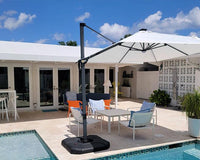
In very sunny yards, the frame material matters, but the finish matters just as much. A shaded patio can tolerate more options, while an uncovered space tends to reward pieces that are easier to rinse, wipe, and keep cool to the touch.
Coastal Salt Air and Humidity
Coastal patios put more pressure on exposed metal parts, coatings, and fasteners. Salt air and humidity often show up as corrosion, finish breakdown, or extra upkeep before the frame itself looks worn out. A useful screen for coastal claims is a coastal salt-spray benchmark of roughly 3,000 hours or more under ASTM B117 when a brand wants to signal stronger exposure resistance.
That number is not a guarantee, but it does give you a checkable reference point. If a listing says "coastal ready" and gives no detail on coating or hardware, treat that as a softer claim. In salt-heavy areas, a quick rinse plan and protected storage are part of the buying decision, not an afterthought.
Freeze-Thaw and Winter Storage
Freeze-thaw is a different problem from salt or sun. In cold regions, trapped moisture can expand, stress seams, and make cracking or brittleness more likely. The University of Arizona's freeze-thaw material durability guidance points readers toward non-porous materials like aluminum and HDPE because they do not absorb moisture the way more porous materials can.
That does not mean every aluminum or HDPE piece is equally winter-proof. Drainage, seam design, and winter storage still matter. If water can sit in tubes, woven surfaces, or cushion pockets, the cold-weather risk goes up. In freeze-prone states, moveable pieces and realistic storage habits often matter more than a marketing claim on the product page.
Aluminum, Wicker, and HDPE Side by Side
The best material is the one that matches your exposure and your upkeep tolerance. Aluminum and HDPE tend to be the safer starting points for tougher weather, while wicker or synthetic wicker can make sense when the set is more protected and you are comfortable with a little more care.
| Material | Best Climate Fit | Main Strengths | Main Watch-Outs | Typical Use Case |
|---|---|---|---|---|
| Aluminum | Full sun, coastal areas, and colder regions when the coating and hardware are solid | Light enough to move, easy to clean, non-porous, widely used in exposed outdoor settings | Finish quality and fasteners matter a lot; lower-grade hardware can become the weak point | Dining sets, patio seating, and pieces that need frequent handling |
| Wicker / synthetic wicker | Covered or partially covered patios where shade and storage are realistic | Warm look, flexible for lounge seating, comfortable in conversation areas | Not all wicker-style pieces behave the same; seams, weave quality, and storage habits affect long-term satisfaction | Lounge sets, conversation areas, and decorative seating zones |
| HDPE | Moisture-heavy, rainy, or freeze-prone settings where low upkeep matters | Resists moisture well, is often low-maintenance, and handles weather exposure better than many porous materials | Heavier look can be a style trade-off, and construction still matters even when the material itself is resilient | Year-round patios, wet climates, and family spaces that see frequent use |
That table is meant to guide the shortlist, not crown a universal winner. The real-world result still depends on the finish, hardware, and whether you keep the furniture covered or stored during the harshest months. If a set looks similar at a glance, compare the exposed fasteners and the cleaning routine next.
HDPE outdoor furniture climate fit is worth a closer look when moisture and low maintenance are the main priorities, but it is still smart to verify the build details before you buy.
Match Materials to Your Usages
Climate only gets you halfway there. The second filter is how hard the space works for you. Daily dining, casual lounging, and semi-covered spaces each put different stress on the furniture.
Outdoor Dining Sets for Daily Use
Dining sets need stable frames, easy-clean surfaces, and enough weight to feel steady when chairs are pulled in and out every day. Aluminum often fits that job well because it is easier to move and wipe down than heavier materials, and it does not trap moisture the way some porous materials can. If your patio is used for weekday meals, look for hardware quality and chair comfort before you get distracted by style.
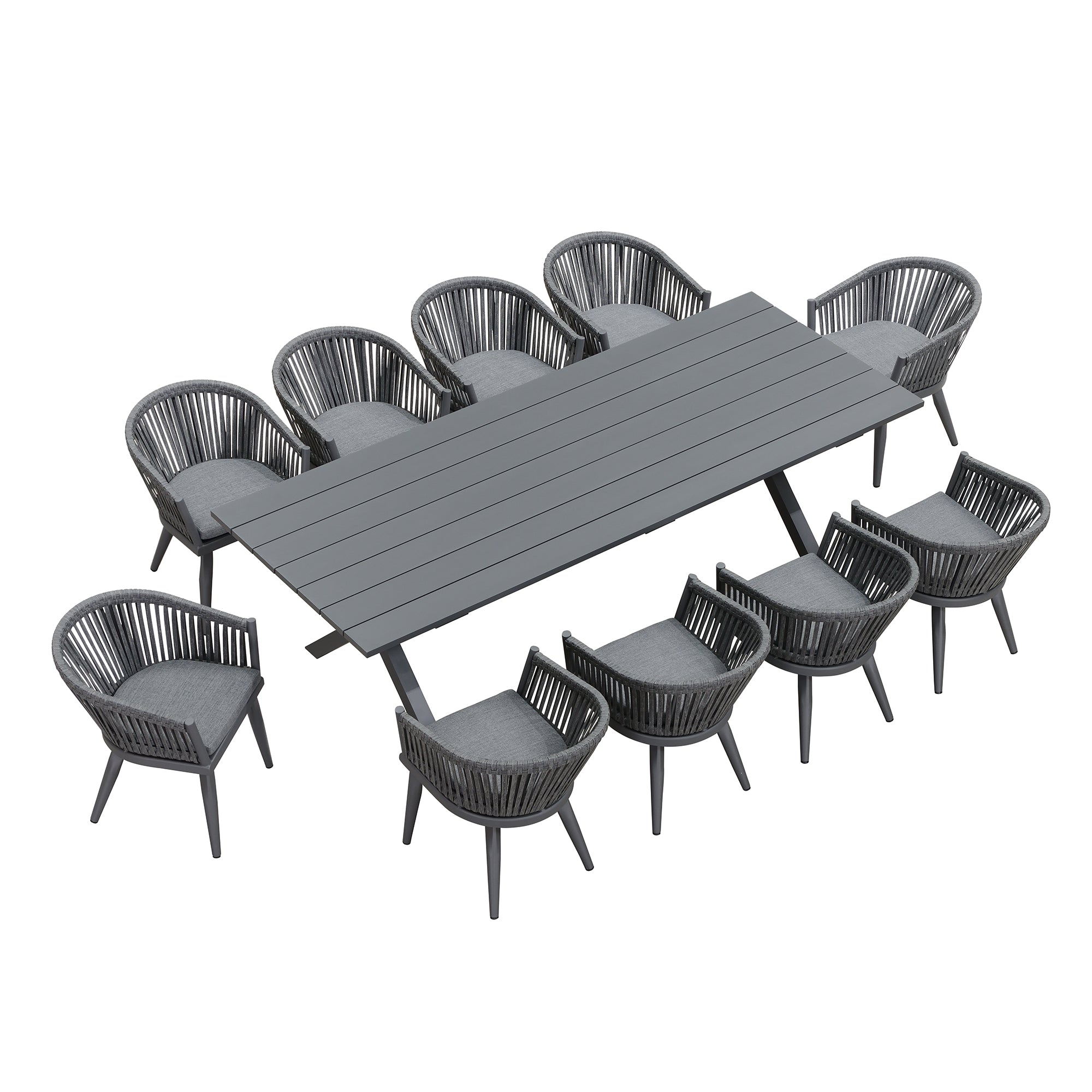
For browsing, a category like aluminum dining sets can be a practical starting point. One usable example is the aluminum dining set with an aluminum table and woven chairs, but treat the product page as a check-current-details step rather than proof of climate performance.
Conversation Sets for Lounging
Conversation sets are judged more by comfort, cushion care, and how often they sit in direct exposure. A woven look can work well here if the set is in a partially protected area and you are willing to manage cushions, covers, and drying time. That is where synthetic wicker often makes sense: it can fit the look and feel of a lounge space without asking you to treat it like a fully exposed workhorse.
The trade-off is simple. If the space is mostly for occasional use under a roofline or pergola, wicker-style pieces can be a good fit. If the area is open to weather every day, the maintenance burden starts to matter more. For shoppers comparing lounge options, a wicker conversation set is a reasonable browsing path only after you have confirmed the coverage and storage plan.
Pergolas and Covered Zones
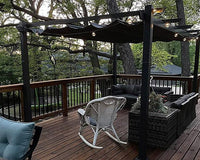
Overhead coverage changes the decision more than many buyers expect. Once a patio is partially shaded, direct UV, rainfall, and standing moisture all become less severe, which broadens the material choices. That is why a covered zone can make a set that would feel too risky on an open patio feel more practical.
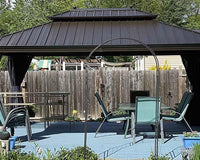
If you are building out the space, browse louvered pergolas or an adjustable aluminum pergola when shade control is part of the climate solution. For larger coverage, a hardtop gazebo can make a furniture choice more forgiving by reducing direct exposure.
A Climate-Fit Buying Checklist
Use this five-step path before you compare prices or styles:
- Identify the harshest condition first. Is your biggest issue full sun, salt air, winter freeze-thaw, or simple year-round rain exposure?
- Choose the base material that fits that condition. Aluminum and HDPE usually make the safest starting point for tougher exposure; wicker works better when the area is protected.
- Inspect the finish and hardware. Coating quality, fasteners, and seam design often determine how well the set ages.
- Match the piece to the use pattern. Dining needs stability and easy cleaning; lounging needs comfort and cushion care; covered zones can handle more variety.
- Confirm your maintenance plan. If you will not rinse, cover, or store the set, choose a simpler build that tolerates that reality.
If two sets look similar, choose the one that better matches your worst month, not your best day. That is the quickest way to narrow the shortlist without overbuying. For a quicker shortlist, compare outdoor furniture climate fit against your highest-exposure spot first.
Final Takeaway
The best outdoor furniture climate fit starts with exposure, not style. If your patio gets full sun, salt air, or winter freeze-thaw, aluminum and HDPE are usually the most practical starting points, while wicker works best where protection and storage are realistic. Compare your harshest month first, then browse the material or category that fits that condition best.
FAQs
How Do I Choose Outdoor Furniture for a Hot, Sunny Climate?
Start with shade, finish quality, and cushion care, then choose a material that will not demand constant babying in direct sun. If the patio is uncovered, look for easier wipe-down surfaces and a plan for covers or placement under a roofline. Full-day UV is the point where a low-maintenance routine starts to matter as much as the frame.
What Is Better for Coastal Patios: Aluminum or Wicker?
Aluminum is usually the safer first filter for salt air because it is non-porous and easier to protect with good coatings and hardware. Wicker or synthetic wicker can still work in coastal settings if the patio is more sheltered and you are disciplined about covers and cleaning. If the furniture sits fully exposed, compare finish and fastener details before you compare style.
Can HDPE Work for Freeze-Prone Regions?
Yes, HDPE can be a strong fit when winter moisture and freeze-thaw cycles are the main concern. The material choice still needs support from drainage, seam design, and storage habits, though. If water can sit in the piece all winter, any material becomes a bigger risk than it should be.
How Long Does Outdoor Aluminum Furniture Usually Last?
There is no single honest number for every yard. Coating quality, fastener quality, exposure level, and maintenance habits change the answer more than the material label alone. If you want a better estimate, check the finish, look at the hardware, and compare how much direct sun or salt air the set will actually face.
What Construction Details Matter More Than the Material Label?
Powder coating, fasteners, drainage, cushion covers, and storage options often affect satisfaction more than the headline material. A well-built aluminum set can outperform a weaker "weather-resistant" piece made with poor hardware. If you only have time to inspect three things, check the coating, the fasteners, and where water can collect.