Designing a backyard for relaxation transforms your exterior space into a private retreat. Whether you want a quiet corner to read or a comfortable area to host friends, thoughtful planning makes a huge difference. This guide provides practical steps to upgrade your exterior areas.
We will cover layout planning, furniture selection, and styling tips to help you build a functional and calming environment, regardless of your yard size or financial constraints.
1. Plan Your Outdoor Living Design
Before buying furniture or planting materials, you must establish a clear plan. A successful outdoor living design requires you to evaluate how you intend to use the area, measure your available square footage, and determine your spending limits. Taking these steps prevents costly mistakes and ensures the final result meets your daily needs.
Assess Your Space and Needs
Start by observing your yard at different times of the day. Note where the sun hits during the afternoon and which areas remain shaded. This helps you decide where to place seating. Next, identify the primary purpose of the area. Do you want a dining area, a lounging spot, or a mix of both? If you prioritize relaxation, you will want to focus on comfortable seating rather than large dining tables. Measure the dimensions of your usable flat ground to know exactly what size furniture you can accommodate.
Establish a Design Layout
Effective outdoor living design treats the exterior just like an interior floor plan. Sketch a rough map of your yard. Mark permanent fixtures like trees, doors, and pathways. Leave at least three feet of walking space around major furniture pieces to prevent the area from feeling cramped. By mapping out the space first, you can visualize how traffic will flow and avoid buying items that do not fit properly.
2. Create an Outdoor Room for Relaxation
To make a backyard truly comfortable, it helps to build a dedicated outdoor room. This concept involves defining specific boundaries and adding elements that mimic the comfort of your indoor living spaces. By establishing physical or visual borders, you create an enclosed, intimate feeling that naturally promotes relaxation.
Defining Zones With Furniture and Rugs
You do not need actual walls to create an outdoor room. Instead, use outdoor area rugs to anchor your seating arrangements. Placing a large weather-resistant rug under your chairs instantly defines the lounge zone. You can also use large planters or low retaining walls to separate a seating area from a grilling station or a garden. This zoning approach organizes the yard and makes it feel structured and intentional.
Adding Shade and Privacy Structures
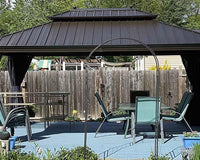
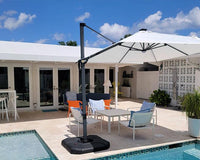
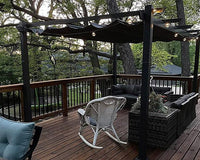
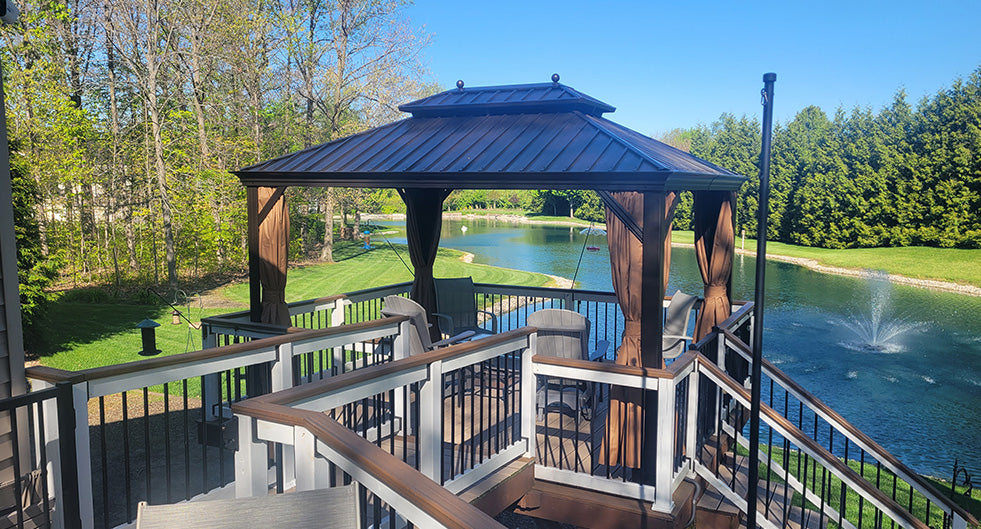
Relaxation is difficult if you feel exposed to neighbors or harsh sunlight. Install a pergola, a cantilever umbrella, or a shade sail above your seating area to provide relief from the sun. For privacy, consider adding a wooden trellis with climbing vines, outdoor curtains, or a line of tall potted bamboo. These vertical elements block wind, reduce noise, and give your outdoor room a secluded, private atmosphere.

3. Choose the Right Furniture for Comfort
Furniture is the most important functional element of your backyard. The pieces you choose determine how long you and your guests will want to sit and relax. When selecting items, prioritize weather-resistant materials like powder-coated aluminum, teak wood, or high-density polyethylene (HDPE) wicker, paired with thick, water-repellent cushions.
Selecting a Patio Conversation Set
For a relaxation-focused yard, standard dining chairs are often too upright. Instead, invest in a quality patio conversation set. These sets typically include a sofa or loveseat, two comfortable armchairs, and a low central coffee table. A patio conversation set encourages people to face each other, lean back, and socialize comfortably for hours. When shopping, test the cushion density; thicker foam provides better lower back support.
Choosing Outdoor Furniture for Small Spaces
If you have limited square footage, bulky sectional sofas will overcrowd the area. You need to look specifically for outdoor furniture for small spaces. Opt for bistro sets or compact loveseats with sleek, armless designs. Nesting tables and stackable chairs are also excellent choices because they can be stored away when not in use. Choosing the right outdoor furniture for small spaces ensures you maintain adequate walking room while still providing a comfortable place to sit.
4. Backyard Patio Ideas for Small Yards
Having limited property does not mean you cannot create a luxurious retreat. Many homeowners search for backyard patio ideas for small yards to maximize every inch of available space. The key is to draw the eye upward, use appropriately scaled items, and keep the ground clutter-free.
When ground space is tight, utilize your fences and exterior walls. Hang planters or install vertical garden systems to add greenery without taking up floor space. You can also mount outdoor lighting or heavy-duty folding tables directly to the wall. This is one of the most effective backyard patio ideas for small yards because it keeps the footprint open, making the area feel larger than it actually is.
In a compact yard, every item must earn its keep. Select a hollow storage bench that provides seating on top and holds cushions or gardening tools inside. You can also use sturdy garden stools as extra seating when guests arrive, and then repurpose them as side tables for drinks on regular days. Incorporating dual-purpose items is a fundamental rule when exploring backyard patio ideas for small yards, as it reduces the total number of items you need to buy and fit.

5. Backyard Patio Ideas on a Budget
Transforming your yard does not require draining your savings account. If you are looking for backyard patio ideas on a budget, the focus should be on strategic upgrades, repurposing existing materials, and doing some of the labor yourself. Small, affordable changes often yield the most noticeable visual improvements.
Upcycling and DIY Projects
One of the best backyard patio ideas on a budget is to refurbish what you already own. Instead of buying new chairs, apply a fresh coat of exterior spray paint to old metal or wicker furniture. You can also build your own seating using standard wooden pallets topped with thick, inexpensive outdoor cushions. Building a DIY fire pit using concrete retaining wall blocks from a local hardware store is another low-cost project that instantly upgrades the yard's appeal.
Affordable Lighting Solutions
Lighting completely changes the mood of a space after sunset. You do not need expensive hardwired landscape lighting to create a relaxing ambiance. String lights are a staple among backyard patio ideas on a budget because they are cheap, easy to hang, and emit a warm, soft glow. Solar-powered pathway lights and battery-operated LED lanterns are also cost-effective ways to illuminate dark corners without increasing your monthly electricity bill.
6. Enhance the Relaxation Experience
Once the layout is set and the furniture is in place, the final step is to engage the senses. A truly relaxing environment appeals to sight, sound, and touch. By adding specific accessories and natural elements, you can elevate a basic seating area into a restorative sanctuary.
Plants are essential for a relaxing atmosphere. Surround your patio conversation set with potted plants of varying heights. Use large floor planters for tall ornamental grasses or small trees, and place trailing plants on tables or shelves. Choose low-maintenance, native plants to ensure you spend your time relaxing rather than constantly gardening.
The sound of running water naturally lowers stress levels. You do not need a large pond; a small plug-in tabletop fountain or a standalone birdbath fountain works perfectly. Conversely, adding a fire feature extends the usability of your yard into the colder months. A small propane fire bowl or a traditional wood-burning chiminea provides warmth and a mesmerizing focal point that encourages people to gather and unwind.
7. Maintain Your Relaxing Backyard
To keep your backyard a place of relaxation rather than a source of stress, you must implement a simple maintenance routine. Choosing the right materials initially and protecting them properly will save you hours of cleaning and repair work down the line.
Protect Your Furniture
Even the most durable outdoor furniture for small spaces requires protection from harsh elements. Always purchase waterproof, UV-resistant covers for your seating. When heavy rain or winter weather approaches, cover the furniture or move the cushions indoors. Wiping down frames with mild soap and water once a month prevents dirt buildup and extends the lifespan of your pieces.
Keep the Space Clutter-Free
A messy space causes mental clutter. To maintain a relaxing environment, establish a storage system for items like children's toys, gardening hoses, and barbecue tools. Use weather-resistant deck boxes to keep these items out of sight. Sweep the patio surface weekly to remove fallen leaves and debris. A clean, organized yard ensures that your outdoor living design remains functional and inviting, allowing you to immediately sit down and relax without feeling the urge to do chores.
Creating a relaxing backyard requires clear planning, the right furniture, and functional zoning. By understanding your available space and establishing a defined layout, you can easily build a comfortable retreat. Whether you are maximizing a compact layout or implementing budget-friendly upgrades, focusing on weather-resistant seating, privacy, and calming accessories will completely transform your exterior. Start by assessing your yard today, and take the first step toward enjoying your own private, outdoor sanctuary.

FAQs
How can I create an outdoor room without construction?
You can build an outdoor room using visual borders rather than physical walls. Lay down a large outdoor rug to define the floor area. Arrange a patio conversation set in a U-shape or L-shape around a central table to establish the primary seating zone. Finally, use tall potted plants, outdoor curtains, or a freestanding privacy screen to create a sense of enclosure.
What are the best backyard patio ideas on a budget?
The most cost-effective methods involve upcycling materials and doing the labor yourself. Repainting old metal chairs, building seating from treated wooden pallets, and hanging solar-powered string lights are excellent backyard patio ideas on a budget. Additionally, laying down a gravel or mulch base is significantly cheaper than pouring a concrete slab or installing stone pavers.
How do I arrange outdoor furniture for small spaces?
To maximize limited square footage, push larger items against the perimeter walls or fences to keep the center of the yard open. Choose armless chairs, bistro tables, or storage benches that do not block walkways. Maintaining clear, unobstructed paths is essential when positioning outdoor furniture for small spaces to prevent the area from feeling cramped.
What is the most durable material for outdoor seating?
High-density polyethylene (HDPE) lumber, powder-coated aluminum, and teak wood are the most durable materials for exterior use. These materials resist rust, rot, and fading. Regardless of the material you choose, applying weatherproof covers when the furniture is not in use will significantly extend its lifespan.