Hosting an outdoor brunch should feel relaxed, but it works best with a clear plan. The right outdoor dining set, smart seating, easy food service, and a weather-ready layout can make guests feel comfortable from the moment they arrive. This guide explains how to plan a practical, beautiful brunch outside without overcomplicating the setup.
What Guests Expect From an Outdoor Brunch
People usually search for outdoor brunch ideas when they are planning a weekend gathering, birthday meal, baby shower, holiday brunch, housewarming, or casual family get-together. They want the space to look inviting, but they also need the setup to work in real life.
A good outdoor brunch should answer a few practical questions:
How Many People Will Sit Down?
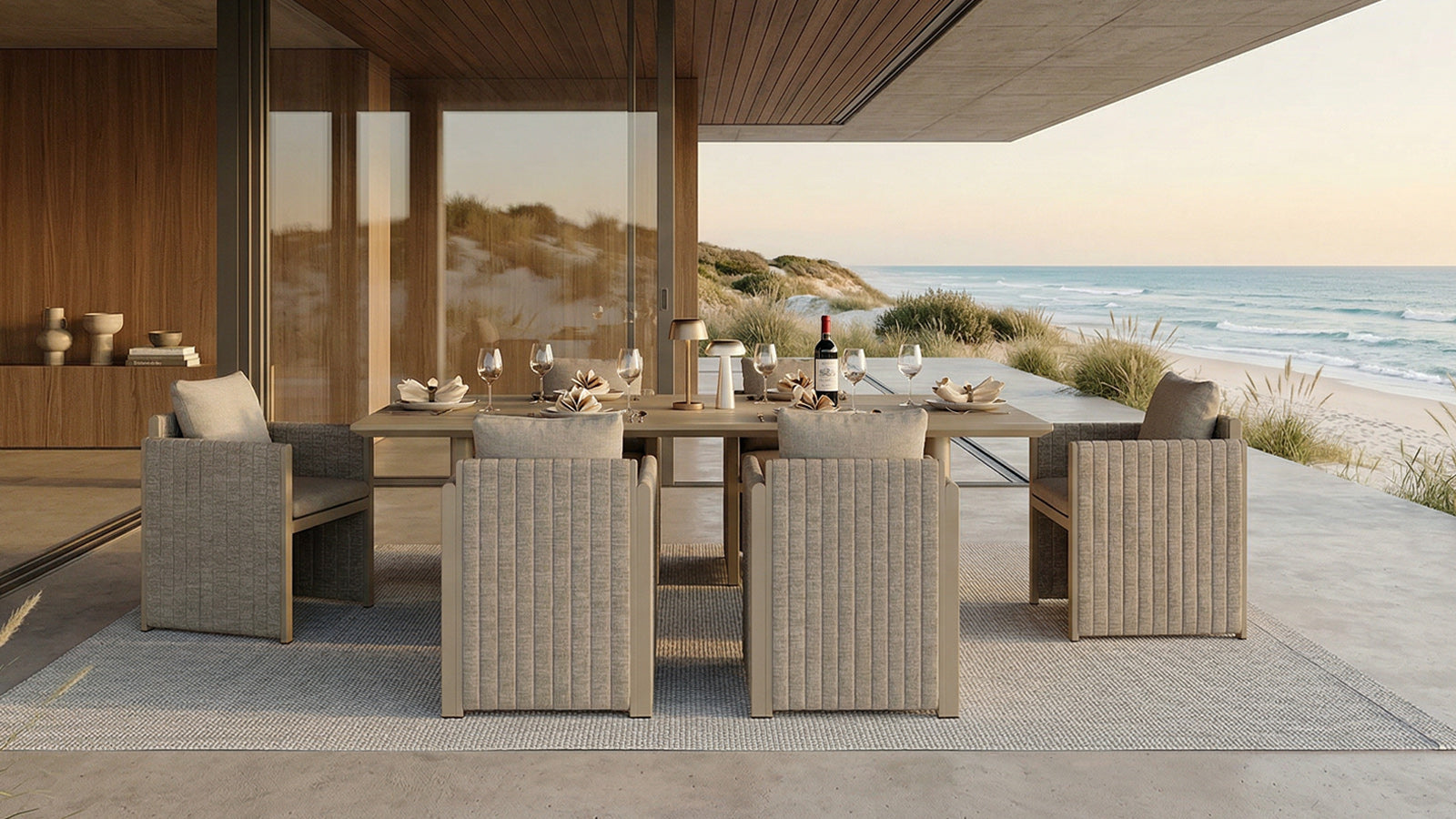
Before choosing food or décor, decide how many guests need a real seat. Brunch may feel informal, but people still need space to sit, eat, talk, and place drinks safely. If you regularly host family or neighbors, an outdoor dining set for 6 is often a practical size because it supports a full meal without overwhelming a medium patio.
For smaller balconies, a four-seat arrangement may be enough. For larger yards, you may want one main dining area and a smaller side seating zone for coffee or kids.
What Kind of Brunch Are You Hosting?
A seated brunch works best for eggs, pancakes, pastries, salads, fruit, and coffee service. A buffet-style brunch works better when guests arrive at slightly different times or when the menu includes many small dishes.
Your furniture should match the format. A stable outdoor dining table and chairs setup is better for plated meals, while flexible side tables and serving carts can help with buffet-style hosting.
How Long Will Guests Stay?
Brunch often lasts longer than expected. Guests may sit outside for two or three hours, especially when the weather is comfortable. That means comfort matters as much as appearance. Choose seating that supports relaxed conversation, not just quick eating.
Choose the Right Dining Set for the Space
Your dining area is the center of the brunch. It affects traffic flow, serving convenience, photo appeal, and how comfortable guests feel during the meal.
Match the Table Size to the Patio
Measure the area before choosing a table. Guests need enough space to pull out chairs, walk around, and move between the dining area and the food station. As a general planning rule, avoid filling the entire patio with furniture. Leave walking space around the table so the brunch does not feel crowded.
A rectangular table works well for long patios and larger backyards. A round table can make conversation easier in smaller spaces. A square table may suit compact decks where symmetry helps the layout feel tidy.

Choose Materials That Fit Your Climate
Outdoor furniture should handle sunlight, moisture, and temperature changes better than indoor furniture. Common choices include aluminum, steel, teak, acacia, resin wicker, and weather-resistant plastic. Each material has strengths. When comparing outdoor dining furniture materials, aluminum frames are often easy to clean and visually light, wood can feel warm and natural but usually needs more care, and resin wicker can create a relaxed patio look though quality varies.
Cushions should be made with outdoor-friendly fabric and stored when heavy rain is expected. For a full breakdown of what to look for before buying, the 5 things to consider while choosing a dining set covers key material and sizing decisions in detail. For more guidance on matching furniture to your specific hosting style, the choosing outdoor dining set guide walks through every major decision point.
Think About Everyday Use
A beautiful table that is hard to clean may not be ideal for brunch. Syrup, coffee, fruit juice, butter, and sauces can easily spill during a morning meal. A wipeable tabletop makes hosting easier.
A patio dining set with removable cushions can also be useful if you want comfort without difficult cleanup. If your space is exposed to sun, consider whether the table has an umbrella hole or whether you need a separate shade solution.
Plan Outdoor Dining Layouts That Feel Easy to Use
The layout should help guests move naturally. If people have to squeeze behind chairs, reach across the table for food, or walk through the cooking area to sit down, the brunch will feel less comfortable. Reviewing proven outdoor dining layouts before setting up can help you avoid the most common traffic and spacing mistakes.
Create a Main Dining Zone
Place the table where it feels grounded. This could be near the house for easy kitchen access, under a pergola for shade, or near garden views for a nicer atmosphere. The main dining zone should be close enough to the kitchen that refills are easy, but not so close that traffic becomes crowded.
The best outdoor dining layouts usually separate eating, serving, and relaxing. This keeps the table from becoming overloaded with plates, pitchers, and extra food.
Set Up a Separate Serving Area
If you have space, use a side table, console table, bar cart, or folding table as a brunch station. Place coffee, juice, pastries, fruit, and extra plates there. This keeps the main table cleaner and gives guests a reason to move around naturally.
For hot foods, serve smaller portions at a time instead of leaving everything outside for too long. For cold foods, use covered bowls or chilled trays when needed.
Leave Room for Shade and Movement
Outdoor brunch often happens when the sun is strong. Place seating where guests will not be staring directly into sunlight. If you use an umbrella, make sure it shades the people, not just the center of the table.
Good outdoor dining layouts also consider chair movement. Guests should be able to stand, sit, and walk behind one another without bumping into planters, railings, or grill equipment.
Build a Brunch Menu That Works Outside
Outdoor brunch food should be simple to serve, easy to eat, and safe to manage. The goal is not to cook everything at the last minute. It is to prepare a menu that stays attractive and practical outdoors.
Choose Foods That Hold Well
Good outdoor brunch options include muffins, croissants, fruit, yogurt cups, breakfast casseroles, quiche, bagels, smoked salmon boards, roasted potatoes, grain salads, and simple green salads. Pancakes and waffles can work too, but they are best served in batches.
Avoid building the whole menu around foods that wilt, melt, or need constant attention. Delicate whipped toppings, soft cheeses in direct sun, and uncovered egg dishes can become difficult to manage.
Offer a Mix of Light and Filling Items
A balanced brunch usually includes:
- Fresh fruit or salad
- A bread or pastry option
- A protein-rich dish
- A warm main dish
- Coffee, tea, water, and one special drink
This gives guests choices without requiring a complicated buffet. If children are coming, include plain options such as mini muffins, fruit skewers, or simple sandwiches.
Keep Drinks Easy to Refill
Drinks are one of the easiest ways to make outdoor brunch feel polished. Set up pitchers of water, iced tea, lemonade, or juice. Keep coffee in an insulated carafe if guests will arrive over a longer period.

Place drinks away from the main food line so guests do not block one another. A small drink station beside the patio dining set can keep the table from getting crowded.
Make the Table Comfortable and Photo-Ready
A good brunch table should look inviting but still leave room for plates, glasses, serving dishes, and elbows. Overdecorating can make eating awkward.
Start With Practical Tableware
Use plates, glasses, and serving pieces that match the outdoor setting. Heavy ceramic can look beautiful but may be risky around pools or stone patios. Durable melamine, enamelware, bamboo-style pieces, or everyday dishes can work well depending on the tone of the event.
Napkins, coasters, and trays help control spills. If the table surface gets hot in direct sun, placemats can make the setting more comfortable.
Add Simple Centerpieces
Low centerpieces are better than tall arrangements because guests should be able to see one another. Use small flowers, herbs, citrus bowls, candles in covered holders, or a simple runner.
Leave the center of the table partly open. Outdoor meals often need extra space for shared plates, water pitchers, and condiments.
Use Color With Restraint
Choose two or three colors instead of many competing tones. For example, white plates, natural wood, green plants, and pale linen can create a clean brunch look. For a summer gathering, coral, yellow, or blue accents can feel cheerful without overwhelming the table.
The furniture should still be the visual anchor. If the outdoor dining table and chairs already have a strong style, keep the table décor simpler.
Prepare for Weather, Sun, and Comfort
Outdoor brunch depends on weather more than indoor entertaining does. A little planning can prevent common problems.
Create Shade Before Guests Arrive
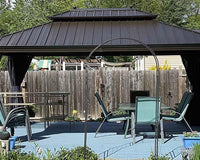
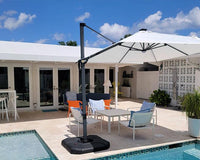
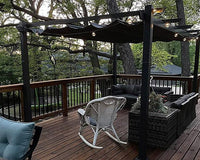
Shade is one of the most important comfort details. Use a patio umbrella, pergola, canopy, shade sail, or nearby tree coverage. Test the sunlight at the same time of day as your brunch because shade patterns change quickly.
If your brunch starts at 10 a.m., check the space around 10 a.m., not in the late afternoon. This helps you avoid placing guests in harsh sun.
Plan for Wind
Wind can knock over napkins, menus, paper plates, and lightweight decorations. Use heavier serving bowls, covered pitchers, clips for tablecloths, and stable centerpieces. Avoid tall vases or loose paper décor if the patio is exposed.
If you use candles, choose covered lanterns instead of open flames. Battery candles are often easier for outdoor dining.
Offer Small Comfort Extras
Comfort does not need to be expensive. Add chair cushions if seating is firm. Place a basket of light throws nearby if the morning may be cool. Keep insect repellent available but away from food. If bugs are common in your area, use food covers and clear away empty plates quickly.
These small details help guests enjoy the full meal instead of focusing on heat, glare, or insects.
Organize the Brunch Timeline
A relaxed brunch still needs timing. The more you prepare ahead, the easier hosting becomes.
The Day Before
Clean the patio, wipe down the furniture, check cushions, and plan the table arrangement. Prepare dishes that can be made ahead, such as baked goods, fruit, dressings, casseroles, or cold salads. Chill drinks overnight.
If you are using a newer outdoor dining set, test the seating arrangement before the event. Sit in each chair, check table height, and confirm that guests will have enough space.
The Morning Of
Set the table early, but wait to bring out perishable foods. Fill water pitchers, prepare coffee, and place serving utensils where they are easy to find. Put trash and recycling bins somewhere visible but not central.
If you are using an outdoor dining set for 6, set all six places even if one or two guests may arrive late. This makes the table feel complete and avoids last-minute rearranging.
During the Brunch
Keep hosting simple. Refill drinks, clear used plates, and bring out fresh food in small rounds. Do not try to manage too many dishes at once. Guests usually remember comfort, conversation, and ease more than a large menu.
If the space allows, let guests move from the dining table to a lounge area after the meal. This extends the gathering naturally without keeping everyone at the table.
Avoid Common Outdoor Brunch Mistakes
Small planning errors can make outdoor brunch harder than it needs to be. Most are easy to avoid.
Choose Looks Over Function
A table may look beautiful online but still be too small, too low, too hard to clean, or uncomfortable for long meals. Always consider how the furniture will be used, not just how it photographs.
Forget Traffic Flow
Guests should not have to walk around tight corners with full plates. Keep the path between the kitchen, serving station, and table clear. Move extra planters, storage boxes, or garden tools out of the way before guests arrive.
Put Everything on the Dining Table
The dining table should not hold every dish, drink, and decoration. Use side surfaces whenever possible. This makes the meal feel calmer and gives guests more personal space.
Ignore the Sun
A sunny patio can look perfect in photos but feel uncomfortable during brunch. Always check sun direction, glare, and shade before placing the table.
Use Too Many Disposable Items
Disposable plates and cups may seem convenient, but they can blow away and make the table feel less stable. If you do use them, choose heavier options and keep extras secured.
What Size Dining Set Is Best for Outdoor Brunch?
The best size depends on your hosting habits and outdoor space. A two-seat bistro set works for small balconies. A four-seat table works for couples or small families. A six-seat table is more flexible for weekend hosting.
An outdoor dining set for 6 is often the most useful choice for people who host brunch, dinner, or holiday meals several times a year. It gives enough space for guests without feeling as large as an eight- or ten-seat table.
If your patio is narrow, choose chairs that tuck fully under the table. If your yard is spacious, consider adding a separate bench or lounge chairs nearby. The goal is not only to seat everyone but to make the entire brunch flow comfortably.
Final Checklist Before Guests Arrive
Before the doorbell rings, walk through the space like a guest. Check the path from the entrance to the patio. Sit in one chair and look at the table. Reach for a glass, imagine where food will go, and notice whether anything feels awkward.
A strong final checklist includes:
- Clean table and chairs
- Stable shade
- Comfortable seating
- Clear walking paths
- Serving utensils
- Water and coffee ready
- Food covers if needed
- Trash and recycling area
- Extra napkins
- Lighting if brunch may continue late
This final check is especially helpful when using larger outdoor dining furniture because more chairs, cushions, and serving pieces mean more details to manage. For a deeper look at how different materials hold up over time, this outdoor furniture durability guide covers weather resistance across common patio materials.
Conclusion: Set the Table Right, and the Rest Follows

A successful outdoor brunch comes from practical choices: comfortable seating, clear movement, simple food, reliable shade, and a table that supports the way people actually eat and talk. Start with the space, then build the menu and styling around it. With the right outdoor dining set and a thoughtful layout, brunch can feel easy, welcoming, and well planned.
FAQs About Hosting an Outdoor Brunch
What Is the Best Time to Host an Outdoor Brunch?
The best time is usually between 10 a.m. and 1 p.m. This gives guests a relaxed morning schedule while avoiding the strongest afternoon heat. If your patio gets direct sun, choose a start time based on when shade is most comfortable.
How Do I Keep Outdoor Brunch Food Fresh?
Keep cold foods chilled until serving, bring out smaller portions at a time, and use covered dishes when possible. For items like yogurt, fruit, eggs, or dairy-based sides, avoid leaving them in direct sun for long periods.
How Much Seating Do I Need for Brunch Guests?
Plan one proper seat per guest, even if the brunch feels casual. Standing with plates can become uncomfortable quickly. If space is limited, mix dining chairs with a bench or a few side chairs, but keep the main eating area stable and easy to access.
Should I Use a Buffet or a Seated Table Setup?
Use a buffet if guests arrive at different times or if you serve many small dishes. Use a seated setup if you want a calmer meal with plated food and longer conversation. Many outdoor brunches work best with seated dining plus a small side serving station.
How Can I Make an Outdoor Brunch Look Nice Without Overdecorating?
Start with clean furniture, coordinated tableware, simple linens, and one low centerpiece. Fresh fruit, small flowers, herbs, or candles in covered holders are enough. The table should look inviting but still leave enough room for plates, drinks, and shared dishes.