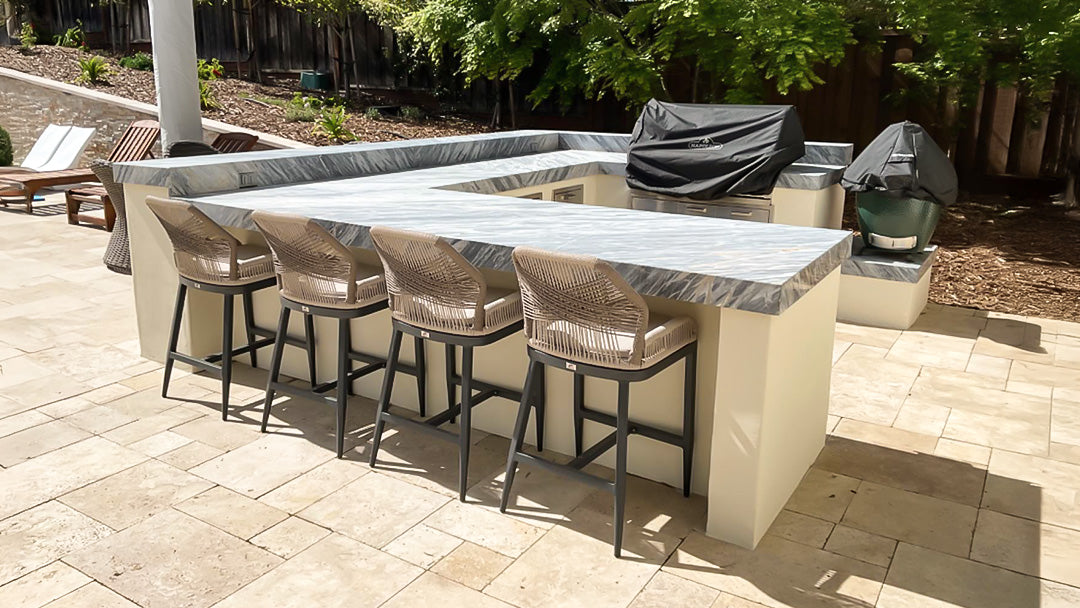
Whether outdoor bar stools need cushions depends on your priority: for long-term comfort and aesthetics, cushions are essential; for low maintenance and minimalism, they may be unnecessary. Materials like aluminum or wrought iron often require padding to regulate temperature and provide ergonomic support, while sling-style or contoured seats are designed for comfort without extra pads.
Choosing the right setup requires balancing your local climate with how long you expect guests to remain seated.
Determine if Your Outdoor Bar Stools Require Extra Padding
Most outdoor bar stools require cushions if the seat material is rigid, such as metal, wood, or hard plastic, to prevent physical fatigue during extended use. If you plan to spend more than 30 minutes at your outdoor bar, a cushion provides necessary pressure relief for the lower back and thighs. However, if your stools are made of flexible mesh or are used only for quick morning coffees, you can likely skip the extra padding.
Assess the duration of your gatherings
If you frequently host dinner parties or long social hours, the lack of a cushion will lead to guest discomfort. Hard surfaces do not distribute body weight effectively, which can cause numbness. Adding a cushion to a high-quality outdoor bar stool ensures that the seating remains inviting for hours rather than minutes.
Consider the ergonomic design of the stool
Check if your stool has a "waterfall" edge or a contoured seat. Stools with a completely flat, 90-degree edge often cut into the back of the legs, making a cushion a functional necessity to bridge that ergonomic gap. For a standard outdoor bar stools set of 2, adding even a thin 1-inch pad can significantly improve the user experience by softening these sharp transitions.
Evaluate seat height requirements
Sometimes a cushion is needed not just for softness, but for height. If your patio bar stools sit slightly too low for your outdoor counter, a firm 3-inch cushion can provide the necessary lift. This ensures your arms are at a comfortable 90-degree angle while eating or working, which reduces shoulder and neck strain.
Manage Temperature Sensitivity in Aluminum Outdoor Bar Stools

Yes, aluminum outdoor bar stools almost always need cushions because metal is a high-thermal-conductivity material that becomes extremely hot in the sun and uncomfortably cold in the shade. Without a protective barrier, these stools can reach temperatures that make sitting down nearly impossible during peak summer hours.
In direct sunlight, dark-colored aluminum can reach temperatures exceeding 120°F (49°C). A cushion acts as an essential insulator, preventing direct contact between the heated metal and your skin. This is particularly important for poolside environments where guests may be wearing swimwear, especially because direct sunlight can increase apparent heat.
Aluminum loses heat rapidly as the sun sets or in cooler climates. Sitting on cold metal can be jarring and uncomfortable. A cushion retains a neutral temperature, extending the seasonal use of your aluminum outdoor bar stools into the early spring and late autumn months.
Beyond temperature, cushions help dampen the sound of metal-on-metal contact. When guests sit down or adjust their position, a cushion prevents the "clanking" noise associated with aluminum frames. This creates a more premium, quiet atmosphere for your outdoor lounge area.
Identify the Hidden Risks of Leaving Cushions Outdoors

While cushions add comfort, they introduce the risk of mold, mildew, and UV degradation if not managed correctly. Many homeowners assume "outdoor fabric" means "indestructible," but the internal foam is often the first part of the chair to fail if it becomes waterlogged.
Distinguish between water-resistant and waterproof
Most patio bar stools cushions are water-resistant, meaning they shed light rain but will soak through during a downpour. If water reaches the foam core, it can take days to dry, creating a breeding ground for bacteria. To avoid this pitfall, look for "reticulated" or "open-cell" foam which allows water to drain straight through the bottom rather than soaking in like a sponge. For moisture-related prevention, the EPA notes that mold control is moisture control.
Prevent UV fading and fabric brittleness
Even high-end fabrics will fade if exposed to 10+ hours of direct sunlight daily. UV rays break down the chemical bonds in polyester and cotton blends. If you cannot move your stools into the shade, you must use solution-dyed acrylic fabrics. This "information gain" is crucial: unlike surface-printed fabrics, solution-dyed fibers have color all the way through, similar to a carrot versus a radish, ensuring the color lasts for years.
Watch for "pollen staining" and organic debris
Cushions trap organic matter like pollen, leaves, and dust in their fibers. When it rains, this debris turns into a nutrient source for mold. Regular maintenance—specifically brushing off dry debris before it gets wet—is the most effective way to prevent permanent staining on your outdoor bar stool upholstery.
Explore Alternatives to Loose Cushions for Low Maintenance

You can achieve comfort without traditional cushions by selecting outdoor bar stools designed with "built-in" flexibility or ergonomic shaping. This is the best route for homeowners who live in high-rain environments or those who do not want the hassle of storing loose pads.
Sling seating involves a weather-resistant fabric (usually PVC-coated polyester) stretched over a frame. It offers the "give" of a cushion but dries in minutes and requires no foam. This is an ideal solution for swivel outdoor bar stools because the fabric is lightweight and doesn't interfere with the rotation mechanism.
High-quality poly-lumber (like HDPE) and teak stools are often carved with "saddle seats" that follow the human form. By distributing pressure away from the tailbone, these stools remain comfortable for moderate periods without any padding. This minimalist approach is perfect for a clean, modern aesthetic.
Some premium manufacturers offer padded slings, where a thin layer of quick-dry foam is sandwiched between two layers of mesh. This provides the plushness of a cushion with the fast-drying, low-maintenance properties of a standard sling chair.
Optimize Cushions for Swivel Outdoor Bar Stools
When adding cushions to swivel outdoor bar stools, the most important factor is ensuring the pad does not shift or block the rotation. A loose cushion on a swivel base can be a safety hazard, as it may slide out from under the user during a turn.
Prioritize non-slip attachments
Standard ties are often insufficient for swivel seats. Look for cushions with a full "non-slip" silicone backing or oversized Velcro straps. This ensures that as the stool rotates 360 degrees, the cushion remains perfectly centered, maintaining the balance of the chair.
Check for armrest and counter clearance
A thick, plush cushion can raise the seat height enough that the stool's arms or the user's knees might hit the underside of the bar top when swiveling. Before buying a cushion for your swivel outdoor bar stools, measure the "knee gap" between the current seat and the bar. Subtract at least 2 inches to ensure you have room for the cushion and the user's legs.
Balance the weight of the cushion
Heavy cushions can make a lightweight swivel stool top-heavy. This can cause the stool to "drift" or rotate on its own if your patio is not perfectly level. Choosing a medium-density foam provides a balanced center of gravity, keeping the stool stable when not in use.
Select the Best Fabrics Based on Local Environmental Factors
Not all outdoor fabrics perform the same way in different climates. Selecting the wrong material for your outdoor bar stools set of 2 can result in cushions that feel "sticky" in humidity or become brittle in the desert heat.
Olefin cushions are highly resistant to chemicals like chlorine. If your bar is located near a pool, Olefin cushions will hold up better to wet swimsuits and splashing than standard polyester. It also dries significantly faster than most other options.
For stools that receive more than 6 hours of direct sun, solution-dyed acrylic (such as Sunbrella) is the only way to prevent fading. This fabric is also highly breathable, preventing the "sweaty" feeling that can occur with cheaper, vinyl-coated cushions in hot weather.
If your patio bar stools are under a permanent gazebo or awning, you can save money by using UV-treated polyester. While it doesn't have the lifespan of acrylic, it is perfectly adequate for shaded environments where UV exposure is minimal.
How to Store and Clean Your Outdoor Cushions Effectively
To maximize the lifespan of your cushions, you should implement a "3nd-of-day" storage routine and a deep-cleaning schedule. Leaving cushions exposed to the elements 24/7 will reduce their lifespan by 50% or more.
Utilize a deck box for daily protection
A weather-proof deck box is the single best investment for cushion longevity. It takes less than a minute to toss your cushions from an outdoor bar stools set of 2 into a box. This protects them from overnight dew, bird droppings, and unexpected showers, ensuring they are always dry when you want to use them.
Spot clean with mild detergent
Most outdoor stains can be removed with a simple mixture of 1 teaspoon of dish soap and 1 cup of warm water. Use a soft sponge to blot the stain—never rub, as rubbing can push the dirt deeper into the fabric weave. Rinse thoroughly with a hose, as dried soap residue can actually attract more dirt over time. For broader care routines, cleaning outdoor furniture properly can help reduce long-term staining and residue buildup.
Perform an annual deep clean
At the end of the season, soak your cushions in a tub of soapy water, scrub them gently, and let them air dry completely in a vertical position (standing on their side). This allows gravity to pull the water out through the bottom seams more quickly. Never put outdoor cushions in a tumble dryer, as the high heat can melt the synthetic fibers or shrink the covers.
Conclusion: Cushions Improve Comfort, Temperature Control, and Longevity
While outdoor bar stools do not strictly require cushions, they are highly recommended for any metal or rigid-surface seating where guests will sit for long periods. Cushions solve the primary issues of temperature sensitivity in aluminum outdoor bar stools and provide the ergonomic lift needed for proper posture. By choosing high-performance fabrics like solution-dyed acrylic and utilizing smart storage solutions like deck boxes, you can enjoy a comfortable, stylish outdoor bar area that lasts for many seasons.
FAQs
Can I leave my patio bar stool cushions out in the rain?
No, it is best to bring them inside or put them in a storage box before it rains. While the fabric may be water-resistant, the internal foam acts like a sponge. If the foam stays wet for long periods, it will develop mold and mildew that is almost impossible to remove.
Do aluminum outdoor bar stools need cushions to be comfortable?
Yes, aluminum stools usually require cushions because they get very hot in the sun and have no natural flexibility. A cushion provides a thermal barrier and soft padding that makes the rigid metal frame much more inviting for guests.
How do I stop my swivel outdoor bar stools cushions from sliding?
The most effective way is to use cushions with "anti-slip" backing or to sew high-quality Velcro ties that wrap around the stool's frame. For swivel outdoor bar stools, ensuring the cushion is centered and secure is critical for both comfort and safety during rotation.
What is the most durable fabric for outdoor bar stool cushions?
Solution-dyed acrylic is considered the most durable fabric for outdoor use. Unlike other fabrics where color is only on the surface, solution-dyed fibers are colored all the way through, making them highly resistant to UV fading, mold, and heavy wear.
Is it better to buy a set of 2 outdoor bar stools with cushions included?
Yes, buying an outdoor bar stools set of 2 that comes with cushions often ensures a perfect fit. If you buy cushions separately, you must carefully measure the seat width and depth to ensure the pad doesn't hang over the edge or leave gaps, which can look unprofessional and feel uncomfortable.