
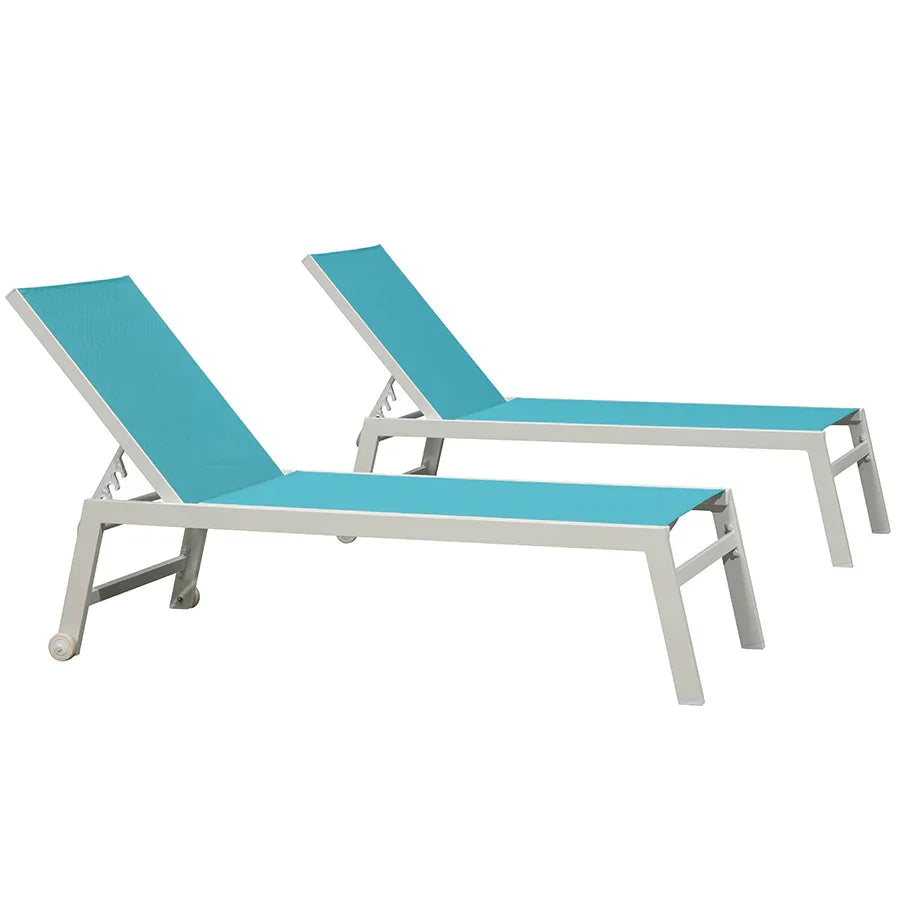
Put your patio seating where direct winter sun reaches the seat during the hours you actually sit outside, and where the wind stays tolerable for how you use the space. The most sheltered spot, especially one under a roof or pergola, is not automatically the sunniest one.
That means the right answer comes from your own patio, not a compass rule. It works the same way for outdoor chaise lounge chairs or a pair of dining chairs. Compare a few candidate spots on several winter days, then pick the one with the best mix of sun and shelter for your routine.
Choose the spot with usable sun and tolerable wind
Pick the location where direct winter sun lines up with your sitting hours and the wind doesn't send you back inside. If one spot gives you both, you're done.
When no spot offers both, make the tradeoff based on what you saw, not on what a covered or south-facing spot "should" do. Think about how you use the patio. Here's an illustrative example: someone who steps out for a quick midday coffee might accept a breezier spot that gets full sun. Someone who reads for an hour every afternoon might prefer a calmer corner with partial sun. Neither choice is universally right. The better spot is the one that still feels good at your usual time.

Some places make this balance easier by building it. In Colorado, for example, Colorado State University Extension suggests using fences, windbreak plantings, and shade trees to create a sunny, sheltered "sun pocket" for outdoor activity on the state's often sunny but cool winter days, and calls it an excellent patio location. That is a Colorado example, but the idea travels well: look for a spot where the sun gets in and the wind doesn't.
Wind is harder to read than sun. University of Georgia Cooperative Extension notes that wind direction naturally shifts with the seasons in its site-analysis guide. If you suspect a wind problem, it recommends watching through the year or asking neighbors about their wind history. If your sunniest seat sits under an open-sided pergola that catches gusts, our guide to pergola wind screens compares screen and enclosure options.
Compare winter sun during your usual patio hours
A simple chart of times and seating spots shows which location actually gets sun when you'll be out there. University of Georgia Extension recommends a landscape sun study using hourly observations over several days, and the same method works for patio seating.
- Mark each candidate seat where the chair will really sit. Use the seat's full footprint, not the open ground nearby. A chaise needs head-to-foot coverage, since sun can warm your legs while your face sits in shade. If you're still choosing among outdoor chaise lounge chairs, compare the chair's length with the sunny patch you mark.
- Set up the chart. List times of day down the side, covering the hours you expect to sit outside. List your candidate spots across the top.
- Record what each spot gets at each time. Write "sun," "partial," or "shade." Add a quick wind note too, such as "calm" or "gusty," so you can compare shelter at the same spots.
- Repeat on several winter days. Check during your real sitting hours, then compare the columns side by side.
Once the chart is filled in, the spot with the most "sun" marks during your hours wins on light. Then read its wind notes and make the call from the previous section. For loungers you'll angle toward the sun, our article on positioning a poolside daybed covers sun tracking and clearance for longer seats.
Check what roofs and pergola covers change
A roof or pergola cover can shade the very seat you hoped would be sunny, so check the light under it instead of assuming. University of Georgia Cooperative Extension points out in its landscape site analysis that even a small structure can cast a large winter shadow, and a full patio cover is far from small.
- Look at the seat, not the edge. Sun on the open patio just past the cover doesn't mean sun reaches the chair underneath it.
- Put covered and open spots on the same chart. Compare them at the same hours so the choice is fair.
- Don't let the cover decide for you. A roof overhead doesn't tell you whether the seat gets winter sun or stays out of the wind. Your chart does.
When planning how much area pergola patio covers should shield from the elements, our guide to pergola roof coverage compares solid, louvered, and flexible covers. For shade you can move as the sun shifts, the same tracking habit applies to patio umbrella placement.

FAQs
Can I use summer observations to pick a winter seating spot?
Not reliably. University of Georgia Extension notes in its site-assessment guide that winter sun differs from spring and summer sun. A spot that was bright in July may sit in shade at the same hour in January. If you want winter sun, check the spot in winter.
Is a south-facing patio always the sunniest in winter?
It's a useful clue, not a guarantee. Ohio State University's Green Home Technology Center explains in its solar orientation notes that winter sun sits lower in the southern sky, so patios on a home's south side can receive more direct sunlight. Trees, fences, neighboring buildings, or a patio cover can still block that light. Confirm the actual exposure at your seat before you commit.
How many days should I track winter sun before deciding?
There's no fixed number. Extension guidance suggests observing over a period of days rather than relying on one check. A practical stopping point is when your chart shows the same pattern on repeat days during your usual sitting hours. If a cloudy stretch or an odd day breaks the pattern, add another day before moving your outdoor chaise lounge chairs or other seating.


