A small backyard can still feel comfortable, practical, and well-organized when the layout reflects how you actually use the space. In many urban homes, the challenge is fitting seating, shade, dining space, and privacy into a limited area without making it feel crowded.
The good news is that smart planning often matters more than square footage. With the right outdoor furniture and a few well-chosen features, such as a pergola, umbrella, or compact gazebo, even a modest backyard can become more functional and inviting.
Start With the Main Purpose
Before choosing furniture or accessories, decide what you want the backyard to do. In a space with limited square footage, every section should have a clear purpose. Most people want one or two main functions, such as dining, relaxing, entertaining, gardening, or creating a quiet place to sit.
This step helps prevent overcrowding. Trying to fit too many uses into one small yard usually makes the layout feel tight and difficult to enjoy. It works better to choose one primary use and one secondary use, then arrange the space around those priorities.
Divide the Space Into Simple Zones
A small backyard usually works better when it is divided into clear zones. This does not require walls, large planters, or permanent structures. In many cases, furniture placement alone is enough to separate one activity area from another.
For example, one section can be used for dining, while another can be set aside for casual seating. A compact outdoor dining set can define the eating area, while lighter outdoor furniture can create a separate place for conversation or reading. Keeping these zones simple makes the yard feel more organized without reducing flexibility.
It is also important to preserve open walking paths. A backyard may be small, but it should still feel easy to move through.

Choose Outdoor Furniture That Fits the Scale
Size matters in compact outdoor spaces. Large sectionals, deep chairs, or oversized tables can quickly take over the yard and make it hard to walk comfortably. The better approach is to choose outdoor furniture that suits the scale of the space instead of forcing too much into it.
In many urban backyards, slim-profile seating, foldable tables, stackable chairs, and storage benches are more practical than bulky pieces. Modular outdoor furniture can also work well because it gives you flexibility without locking the layout into one fixed arrangement.
If dining is a priority, a compact outdoor dining set is often the most efficient choice. A round or square table usually fits better in a smaller footprint than a long rectangular table.

Add Shade in a Practical Way
Shade is one of the most valuable upgrades in any outdoor space, especially in a small backyard that gets strong sun during the day. Without enough shade, the yard may look appealing but feel uncomfortable when you actually want to use it.
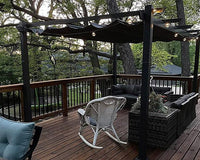
A pergola is a good option if you want to define a seating or dining area with a more permanent structure. A pergola can also help the layout feel more intentional by giving one part of the yard a clear visual anchor. If you want something lighter or more flexible, an umbrella is often the easier solution.
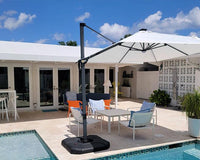
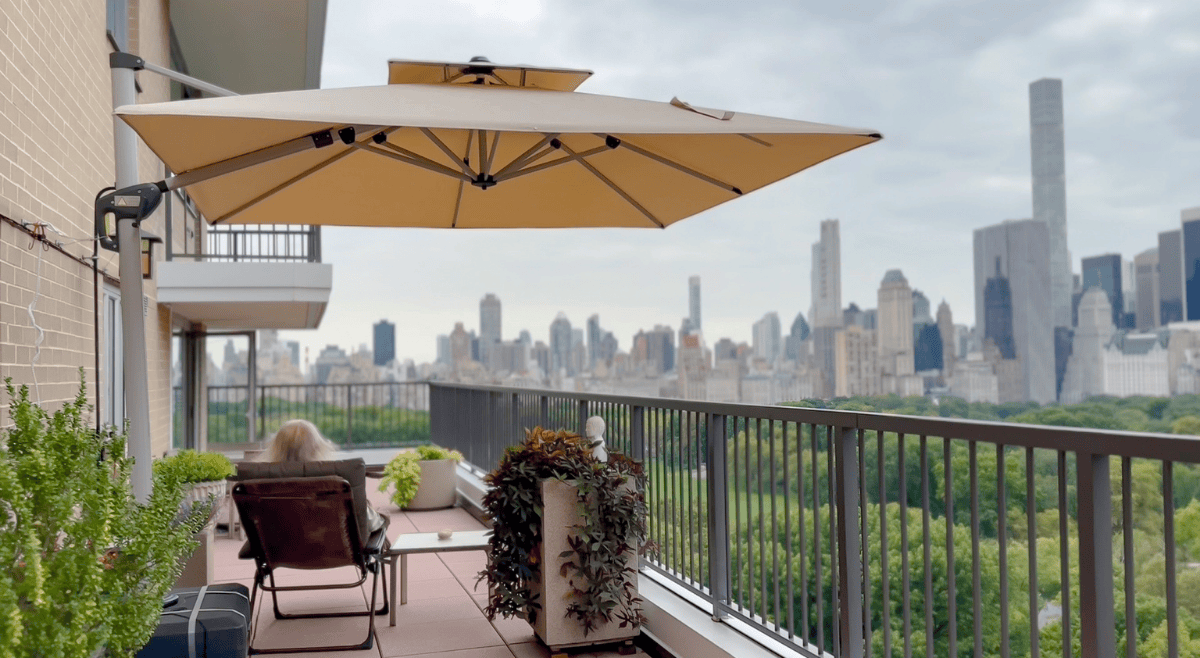
A patio umbrella works especially well over a dining table or lounge chair. In smaller yards, an offset umbrella can be useful because it provides shade without placing a base directly in the center of the activity area.

Decide Whether a Gazebo Is Worth It
A gazebo can work well in a small backyard, but only when the size and placement are right. If it is too large, it can block light, limit movement, and make the yard feel more closed in than it should.
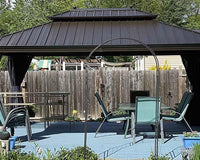
In the right setting, though, a compact gazebo can create a defined outdoor room that feels sheltered and useful. It often works best in a corner or along the back edge of the yard, where it frames the space instead of dominating it.
If your main goal is simple shade, an umbrella or pergola may be enough. If you want a more structured area for sitting or entertaining, then a gazebo may be a better fit.

Make Dining Work Without Taking Over the Yard
A dining area is one of the most useful features in a backyard, even when space is limited. The key is to keep it practical. The table should fit everyday use, and the seating should leave enough room for movement around it.
For many small backyards, a four-seat outdoor dining set is enough. It supports daily meals and casual hosting without filling the entire yard. If you need flexibility, choose an outdoor dining set with lightweight chairs that can be moved easily when extra space is needed.
It also helps to place the dining area near the house. That makes serving food simpler and helps the outdoor area feel connected to the home. A nearby umbrella can make the space more comfortable during daytime meals.
Use Vertical Elements to Save Floor Space
In a compact backyard, the floor should stay as open as possible. One of the easiest ways to add function without crowding the layout is to use vertical space. Trellises, wall planters, privacy screens, shelves, and mounted lighting can all help the yard feel more complete without reducing movement.
This is another reason a pergola can be useful. Beyond shade, it can support string lights, fabric panels, or climbing plants, which add privacy and structure while keeping the footprint light. A small backyard often feels more finished when some of the design moves upward instead of spreading outward.
Keep the Layout Easy to Maintain
A smart backyard should not just look good in photos. It should also be easy to clean, rearrange, and maintain over time. That matters even more in urban homes, where outdoor space is often used regularly and needs to stay practical.
Choose materials that suit your climate and your maintenance preferences. Arrange outdoor furniture so it can be moved when needed, and make sure shade features support daily use instead of getting in the way. The most successful layouts usually include fewer pieces, but each one serves a clear purpose.
When every element contributes to comfort, movement, or function, the whole yard feels better balanced.
Build a Layout Around Real Life
The best small backyard layout is not the one with the most features. It is the one that supports the way you actually live. Some people need a quiet place for morning coffee. Others want a compact outdoor dining set for everyday meals. Some care most about shade, which makes a pergola or another simple overhead solution the first priority.
Start with one main function, choose pieces that fit the scale of the yard, and leave enough open space for the layout to breathe. A small backyard does not need to feel limited. When the design is clear and practical, even a compact outdoor area can make a strong impact.
Conclusion: Maximizing Your Urban Outdoor Space
A small urban backyard can still offer comfort, function, and visual appeal when the layout is planned with care. Focus on scale, movement, and daily use rather than trying to include everything at once. Whether you choose compact seating, a flexible umbrella, a defined pergola, or a well-placed gazebo, the goal is the same: make every part of the space work better.