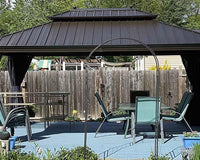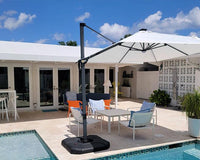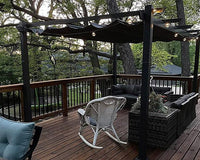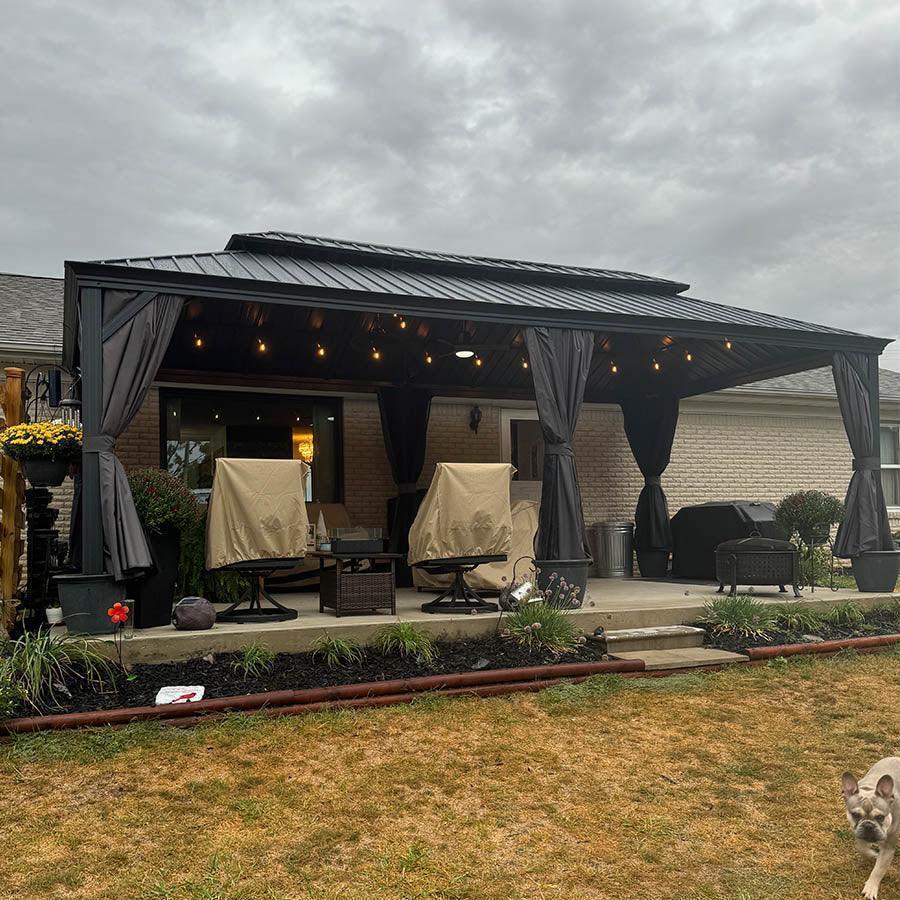
A canopy is usually the better starting point when you need occasional shade, quick seasonal setup, and storage between uses. Consider a gazebo if you expect frequent backyard use, want the shelter to stay in one location, and have a site that supports installation and ongoing care. In this gazebo or canopy comparison, the deciding question is not which label sounds sturdier. It is whether you want a portable routine or a more deliberate, leave-in-place commitment.

Gazebo or Canopy: Choose Based on Use Frequency and Whether It Stays Up
The practical gazebo vs. canopy choice starts with how you plan to use the shelter. A canopy generally fits occasional events or seasonal coverage, while a gazebo usually represents a more deliberate semi-permanent or permanent installation. These are useful decision labels, not universal definitions: the frame, roof, cover, anchoring, site, and manufacturer instructions determine the actual limits.
- Start with a canopy if you will use the shelter occasionally, need to reclaim the patio or yard, have storage space, and are comfortable assembling, anchoring, taking down, and drying it between uses.
- Consider a gazebo if you plan to use the space frequently, prefer a recurring outdoor destination, can leave the structure in place, and have a suitable site for installation, inspection, and care.
- Use a phased approach when your usage is genuinely uncertain. A portable setup can help you learn whether the location and frequency justify a more installed commitment later. This approach is not automatically cheaper or better; it simply postpones the larger site and ownership decision.
Before choosing a gazebo or canopy, write down three answers: how often you will use it, whether the space must be cleared after use, and whether the site can support an anchored structure. Then compare the exact model's instructions rather than treating the category name as a performance guarantee.

Setup and Anchoring: Decide Whether You Want Repeated Assembly or an Installed Site
Choose a canopy when repeated assembly and storage are acceptable. Choose a gazebo when you would rather handle a larger installation commitment once and maintain a shelter in one location. Installing a gazebo and repeatedly setting up a canopy create different burdens, so compare the routine you will actually follow rather than focusing only on setup day.
A portable canopy still needs appropriate anchoring while it is in use. One set of official portable canopy anchoring and high-wind precautions illustrates why exact manuals matter: the documented shelter calls for anchoring and warns about high-wind conditions. Do not transfer its specific hardware or anchoring count to every canopy. Use the manual for the model you are considering.
An installed gazebo requires a site-compatibility check. Measure the available footprint and clearance, confirm the surface and attachment method, consider drainage and assembly access, and review any neighborhood or property rules. Local requirements are not national category definitions. For example, Fort Worth's local accessory-structure permit example shows why buyers should consult the relevant building department before committing to an installed structure. Your jurisdiction may apply different rules, and an HOA may add separate restrictions.
The installation boundary is simple: if you cannot confirm the surface, attachment method, access, clearance, and applicable property rules, do not treat a gazebo as a ready-to-place purchase. If you choose a canopy, confirm how it must be anchored during use and what the manual says about taking it down when conditions change.
Weather Protection: Compare the Exposure Your Site Will Actually Face
Neither "gazebo" nor "canopy" establishes severe-weather suitability by itself. Compare your site's sun, rain, wind, snow, ice, drainage, and seasonal exposure with the exact shelter's published limits, shutdown guidance, and removal instructions. A canopy may suit light, monitored coverage when you can secure or remove it as directed, while a gazebo may suit a leave-in-place setting only when its construction, anchoring, roof design, and instructions match the site.
Portability is not permission to leave a canopy unsecured. Likewise, an installed structure is not automatically storm-ready. Some gazebo-style shelters require removal of canopy, sidewall, or netting components during strong winds or storms. The gazebo-style shelter storm-removal instructions provide a specific example, not a category-wide rule.
Before purchasing, look for the exact model's guidance on prohibited conditions, published wind or snow limits, drainage, corrosion care, and component removal. Check whether curtains, sidewalls, or netting must come down before bad weather. Separate the coverage you want from the exposure you face: shade and rain coverage do not establish protection against severe weather.
If your main question is whether an installed shelter can remain deployed through every season, read year-round hardtop gazebo guidance as contextual information, then defer to the current model instructions. A hardtop or metal construction is not automatically an all-season guarantee.
Storage and Maintenance: Choose the Ownership Routine You Will Follow
Choose the canopy path when storing the shelter and repeating setup is less troublesome than keeping a structure in place. Choose the gazebo path when leave-in-place use matters more and your household will consistently perform installed inspections and care. Neither category should be treated as maintenance-free.
For a canopy, reserve a dry storage location and plan to let fabric or covers dry before packing them away. Between uses, inspect the frame and cover for damage, confirm that all parts are present, and follow the model's cleaning and storage instructions. This routine matters most when the shelter is used seasonally or for events and then disappears from the yard.
For a gazebo, plan for periodic roof and frame inspections, fastener and anchoring checks, drainage and debris clearing, and any specified care for surfaces, curtains, or other components. Assumptions about temporary status can also be unreliable because local permitting guidance varies; Seattle's permit guidance is one local example, not a nationwide rule. The exact dimensions, clearance, assembly support, warranty, returns, and care requirements belong to the model's current listing and manual, not to the general category.
Before checkout, record five facts in one note: expected use frequency, leave-in-place preference, available storage, site surface and clearance, and typical weather exposure. Then verify the exact model's anchoring, shutdown, drainage, care, warranty, returns, and local requirements. If the note points to occasional use and storage-first ownership, choose a canopy category. If it points to frequent use and a supported installed site, consider a gazebo category.
Frequently Asked Questions
Use these answers to narrow the practical differences before you compare a specific model's instructions and site requirements.
What Is the Difference Between a Gazebo and a Canopy?
The practical difference is usually the level of installation commitment: a canopy is commonly selected for portable, temporary coverage, while a gazebo is commonly selected for a more deliberate setup that may remain in place. Construction and the manufacturer's instructions determine the actual use and weather limits.
Is a Canopy Better for Occasional Outdoor Use?
Yes, a canopy is often the more practical starting point when quick seasonal or event setup and storage between uses matter. You still need a suitable anchoring plan and must follow the exact instructions for securing or removing it when weather conditions change.
Can You Leave a Gazebo or Canopy Up All Year?
Not automatically. Year-round placement depends on the exact construction, anchoring, site exposure, component-removal rules, and manufacturer instructions. Category names alone cannot establish that either shelter is suitable for continuous deployment.
What Should You Check Before Buying a More Permanent Outdoor Shelter?
Check the site surface, dimensions, clearance, anchoring method, assembly access, local and HOA rules, weather limits, drainage, care routine, warranty, and returns. Also decide who will perform inspections and clearing after installation, because the ownership routine is part of the fit.