
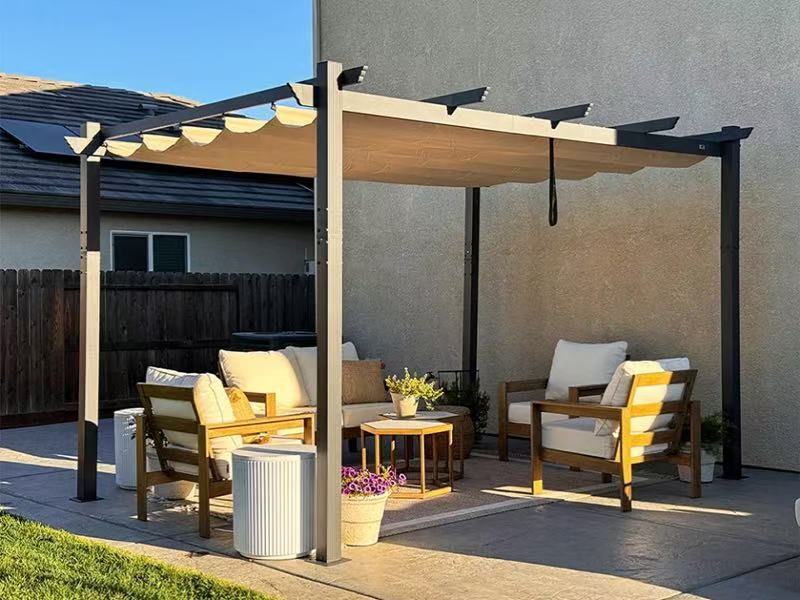
Winter weather poses a significant threat to outdoor fabrics. While snow and ice are obvious concerns, the silent destroyer of awnings is actually mildew. This fungal growth thrives in cool, damp environments and can ruin the aesthetic and structural integrity of your expensive shading solution. Prevention is far easier and cheaper than restoration or replacement. By following a strict maintenance routine before the temperature drops, you can ensure your awning emerges in spring looking pristine. This guide covers the essential steps to keep your fabric mildew-free this winter.
Why Mildew Grows
To prevent mildew, you must understand what causes it. Mildew is a type of fungus that requires two main ingredients to survive: moisture and organic material. While synthetic awning fabrics like acrylic are naturally resistant to rot, the dirt and dust that settle on them are not.
When pollen, leaves, bird droppings, and general grime accumulate on your awning, they create a food source for mildew spores. Winter provides the constant moisture needed for these spores to activate. Even if the fabric itself is waterproof, the layer of dirt on top can hold water like a sponge.
If you retract an awning while it is damp, or if you leave a dirty awning exposed to constant winter precipitation, you are creating an incubator for mold. The lack of air circulation in a retracted roll or a heavy snow load accelerates this growth. Therefore, the strategy for prevention focuses on two goals: removing the food source and eliminating moisture.
Deep Clean Before the First Freeze
The most effective way to prevent mildew is to remove the organic matter it feeds on. You should perform a deep clean in late autumn before the freezing temperatures arrive. Do not rely on a simple hose-down; you need to agitate the fibers to release trapped particulates
Sweeping and Brushing
Start by fully extending the awning. Use a soft-bristle broom to sweep away loose debris like dry leaves, twigs, and cobwebs. Pay special attention to the underside of the awning and the valance, as spiders often hide in these areas. Removing dry debris first prevents it from turning into a muddy sludge once you add water.
Applying the Cleaning Solution
Mix a solution of lukewarm water and mild dish soap. Avoid harsh detergents or bleach at this stage, as they can damage the fabric's water-repellent coating if used incorrectly. Use a soft brush to scrub the fabric gently. Work in sections, starting from the bottom and working your way up to prevent streaking.
Addressing Stubborn Stains
If you encounter bird droppings or tree sap, let the soapy water sit on the spot for fifteen minutes to break down the acidity. Do not scrub aggressively with hard bristles, as this can fuzz the fabric surface. Gentle, circular motions are best to lift the stain without harming the weave.
Rinse Thoroughly to Remove Residue
Once you have scrubbed the fabric, rinsing is a critical step that is often rushed. Soap residue can actually attract more dirt and encourage mildew growth if left on the fabric. You must ensure that every trace of soap is washed away.
Use a garden hose with a regular spray nozzle. Do not use a high-pressure washer. The intense pressure from a power washer can strip away the protective chemical finish of the fabric and can even tear the seams or weaken the fibers.
Spray the awning from the top down, allowing gravity to carry the soap and dirt away. Continue rinsing until the runoff water is completely clear and free of bubbles. If you have a retractable awning, make sure to rinse the frame and the mechanism housing as well, as dirt trapped there can transfer back onto the clean fabric.
Ensure the Fabric is Bone Dry
This is arguably the most important step in the entire winterization process. You must never retract or store an awning that is even slightly damp. Trapping moisture inside the rolls of fabric creates the perfect dark, damp environment for mildew to spread rapidly.
Choose a sunny, breezy day for your cleaning routine. After rinsing, let the awning remain fully extended for several hours. Even if the top surface feels dry to the touch, moisture may still be trapped in the seams or the hem of the valance.
Feel the thickest parts of the fabric, particularly around the stitching. If there is any coolness or dampness, wait longer. If the weather is turning and you are running out of sunlight, it is better to leave it extended overnight (provided no rain is forecast) than to roll it up wet. The goal is to eliminate all moisture before storage.
Re-apply Water Repellent Coatings
Over time, the factory-applied water repellent on awning fabrics wears off due to exposure to sun and rain. When fabric absorbs water rather than repelling it, it takes longer to dry and becomes more susceptible to mildew. Testing your fabric is simple: splash a little water on it. If it beads up and rolls off, your protection is good. If it soaks in and creates a dark spot, it is time to re-treat.
Purchase a high-quality fabric guard spray designed specifically for outdoor canvas or acrylic. Apply this after the awning is completely clean and dry. These sprays restore the surface tension of the fabric, ensuring that winter moisture sits on the surface rather than penetrating the fibers.
Apply the spray outdoors in a well-ventilated area. Follow the manufacturer's instructions regarding drying times. usually, the treated fabric needs to cure for 24 to 48 hours before being exposed to rain. This barrier not only keeps the fabric dry but also makes it harder for dirt to adhere, keeping the "food" for mildew away from the fibers.
Store Removable Awnings Correctly
If your awning is designed to be removed for the season, proper storage is vital. Simply taking it down isn't enough; where and how you keep it matters.
Use Breathable Storage Bags:
Avoid storing your awning in airtight plastic bags. Plastic can trap residual moisture and condensation caused by temperature changes. Instead, use a mesh or canvas storage bag that allows air to circulate. This "breathing" room prevents the stale environment that fungi love.
Choose a Cool, Dry Location:
Store the fabric in a garage, shed, or basement that stays relatively dry. Avoid placing the fabric directly on a concrete floor, as concrete can wick moisture. Place the awning on a shelf or hang it up. Keep it away from heat sources like furnaces, which can dry out and crack the fabric coating.
Protect Against Pests:
Rodents often see rolled-up canvas as excellent nesting material for winter. Ensure your storage area is pest-free. You may want to place cedar blocks or specific pest repellents near the fabric storage bag to discourage mice from chewing through the material.
Manage Awnings That Stay Up All Winter
Not all awnings are retractable or removable. Fixed awnings must brave the elements, making them highly susceptible to winter mildew. Maintenance for these structures continues throughout the season.
Remove the Valance
The hanging decorative edge, or valance, is the most vulnerable part of a fixed awning. It flaps in the wind and collects snow. On many models, the valance can be slid out of the track and stored indoors. Removing this piece reduces the surface area exposed to the weather and keeps the most visible part of your awning fresh for spring.
Clear Snow Regularly
Do not allow snow to pile up on the fabric. A heavy snow load can stretch the fabric, creating pockets where water pools. These pools are prime locations for mildew to start as the snow melts. Use a broom to gently push snow off the awning from underneath. Do not scrape ice off the top, as you might scratch the fabric.
Monitor Ventilation
On dry winter days, ensure air can circulate around the awning. If the awning is enclosed or near shrubbery that holds moisture, trim back the plants. Good airflow helps evaporate morning frost quickly, reducing the window of opportunity for mildew spores to settle and grow.
Conclusion
To keep awning fabric free from mold growth throughout winter, it’s necessary to combine cleaning with dryness and vigilance. It’s enough to remove dirt, which acts as nourishment for mold, and keep your awning fabric dry; then you will not provide any prerequisites for mold's growth. Although it’s rather time-consuming to clean your awning fabric in the autumn, you can avoid such tremendous troubles as mold removal or awning replacement at the beginning of spring. Properly maintained awnings not only increase your awning's aesthetic appeal but can also significantly extend your awning’s life.
FAQs
Can I use bleach to clean my awning if I see mildew spots?
Bleach needs to be used with extreme care. Although bleach can kill mildew, it can damage fabric and remove any water-repellent treatments, too. Bleach can only be used on acrylic fabrics if it’s heavily diluted (usually with one part bleach to every part of water) and if it’s applied to an unobtrusive part of the fabric first. Bleach should not ever be applied to polyester or cotton canvas unless the manufacturer has instructed so, because it can cause discoloration and damage to these fabrics.
How often should I apply a waterproofing treatment?
Normally, you would need to reapply the waterproofing every one to three years, depending on your local weather patterns and how often you wash your awning. If you find that you thoroughly wash your awning with soap and water, you may need to rewaterproof your awning more often. To determine if your awning still waterproofs properly, you can conduct your own “water bead test” every year.
Should I treat my gazebo’s mosquito netting and privacy curtains the same as the roof canopy?
Although the principle of cleaning—removing dirt to starve mildew—is the same, the manner can differ greatly. The netting is much more delicate than the canopy fabric. Scouring netting with a brush would only damage it. Soak your netting in mild soap and water, swish it around with your hands, then rinse thoroughly. For your privacy curtains (sidewalls), keep your focus on the bottom 12 inches of your curtain. There is “splash-back” at this level when it rains, which collects mud and spores from the ground. Should you fold your curtains without properly washing your bottom hem areas before storing them away, your mildew will propagate throughout your curtains when you fold them for storage purposes.
1 comment
Dr. Frank Heresco
I am considering your PL 14-16 Gazebo. If, when, I need to replace the curtains and mosquito netting, do you sell those separately and if so, what is the cost?