Stools with light-colored HDPE, ventilated sling fabric, resin wicker, or sealed wood seats usually feel cooler than exposed metal under strong afternoon sun. Material alone does not determine comfort. Color, surface finish, airflow, seat thickness, and exposure time also affect heat buildup. This guide compares common stool materials and explains what to check when choosing seating for sunny patios, balconies, pool areas, and outdoor bars.
Which Outdoor Stool Materials Stay Coolest?
Light-colored, low-conductivity materials generally offer the most comfortable seating after prolonged sun exposure. HDPE, wood, resin wicker, and ventilated fabric usually transfer heat to the body more slowly than bare metal.
The practical ranking below applies to comparable light-colored products under similar conditions:
- Ventilated sling fabric or open resin wicker
- Light-colored HDPE
- Sealed natural wood
- Composite wood, depending on its formulation
- Powder-coated aluminum
- Bare or dark-colored metal
This order is not universal. A black HDPE seat may become hotter than a white aluminum seat, while a shaded metal stool may remain cooler than any material left in full sun.
Why Do Some Stool Materials Feel Hotter?
A stool’s surface temperature and how hot it feels are related but different. Sunlight determines how much energy the surface absorbs, while the material determines how quickly that heat reaches your skin.
Solar Absorption
Dark surfaces commonly absorb more solar energy than light surfaces. A pale beige or white seat will usually stay cooler than an otherwise identical black or dark brown seat.
Gloss, texture, pigments, and surface coatings can also affect solar absorption. For this reason, color comparisons are most reliable when the stools use the same material and finish.
Thermal Conductivity
Thermal conductivity describes how quickly heat moves through a material. Aluminum conducts heat far more readily than plastics such as HDPE, so hot aluminum can transfer heat to the body quickly. This explains why a metal seat may feel more intense than a plastic or wooden seat at a similar measured surface temperature. It does not mean aluminum always reaches the highest temperature.

Airflow and Contact Area
Open-weave and perforated seats expose less material to the body and allow air to circulate. A solid, contoured seat creates more contact with the legs and may feel warmer. This is why ventilated designs can outperform thick solid seats, even when both use similar materials. Slats, drainage holes, mesh panels, and woven surfaces can all reduce heat discomfort.
How Do Common Outdoor Stool Materials Compare?
No material provides the best combination of coolness, durability, maintenance, and price for every patio. Compare the seat surface separately from the frame because they may use different materials.
HDPE
High-density polyethylene has relatively low thermal conductivity compared with aluminum. Light-colored hdpe patio furniture can therefore feel less harsh against the skin after sun exposure.
HDPE also resists moisture and does not rust. However, it can still become uncomfortably hot, especially in black, charcoal, or other dark colors. Quality also varies, so buyers should check UV stabilization, weight capacity, warranty terms, and manufacturer care instructions.
For a west-facing patio, cream, light gray, or sand-colored HDPE is generally a more practical choice than dark brown or black. A thick seat can remain warm longer after sunset, even if it initially feels less sharp than metal.
Natural Wood
Wood conducts heat slowly and often feels more comfortable than metal in direct sun. Teak, eucalyptus, acacia, and other outdoor-suitable woods are common choices, but their weather resistance and maintenance needs differ.
Wood can fade, check, swell, or dry out as moisture and temperature change. The USDA Wood Handbook explains that wood properties are influenced by moisture conditions. Follow the furniture manufacturer’s instructions for cleaning, sealing, and refinishing rather than applying an unsuitable coating.
Light or medium natural finishes are preferable when heat comfort matters. Dark stains may absorb more sunlight and can make the surface warmer.
Aluminum
Aluminum is lightweight, corrosion-resistant, and widely used for outdoor frames. Its main comfort limitation is rapid heat transfer, particularly when the seat itself is metal.
An aluminum outdoor dining set may perform well when its chairs use sling fabric, cushions, or nonmetal seat inserts. The same principle applies to bar stools: an aluminum frame is less concerning when the body does not rest directly on a broad metal panel.
Powder coating helps protect the metal and changes the surface finish, but it does not make every aluminum seat cool to the touch. Choose light colors, perforated seats, or mixed-material designs if the furniture will remain in afternoon sun.
Resin Wicker
Synthetic wicker can feel relatively comfortable because the narrow woven strands create airflow and reduce continuous skin contact. The hollow spaces in the weave also limit the amount of heated material touching the user.
The internal frame is often aluminum or steel. Check whether hot frame sections, armrests, or footrests remain exposed. Loose weaving, brittle strands, or fading may indicate that the product is not designed for prolonged outdoor exposure.

Sling Fabric and Outdoor Mesh
Sling seats are among the most comfortable options for hot locations because air can pass through the material. They also have less solid mass than thick plastic or metal seats.
Look for securely tensioned fabric, reinforced seams, replaceable slings, and a frame that does not create exposed hot contact points. Mesh should drain quickly and resist sagging under the stated weight capacity.
Steel and Iron
Steel and iron provide strong, stable frames, but exposed seats and armrests can become uncomfortable in direct sun. Dark finishes increase the likelihood of noticeable heat buildup.
These metals may also require more attention to coating damage and corrosion. They are better suited to shaded areas or designs that add a wood, wicker, fabric, or cushion layer between the metal and the body.
Are Heat-Resistant Stools Always Cool to the Touch?
No. “Heat resistant” usually describes a material’s ability to withstand heat without deforming, weakening, or suffering rapid damage. It does not necessarily mean the surface stays comfortable for bare skin.
Marketing descriptions for heat resistant outdoor stools should therefore be checked carefully. Look for information about the seat material, color, ventilation, UV resistance, and recommended placement instead of relying on the phrase alone.
Likewise, cool touch patio materials do not remain cool under every condition. They may simply conduct heat more slowly or absorb less solar energy than a darker or more conductive alternative.
A useful product specification should distinguish among:
- Resistance to heat-related damage
- Resistance to UV fading or brittleness
- Surface temperature under sun exposure
- Rate of heat transfer to the body
- Cooling time after the stool enters shade
Manufacturers do not always publish comparable surface-temperature tests. When test conditions are missing, treat exact temperature claims cautiously.
What Should You Check Before Buying Stools for Afternoon Sun?
For patios with strong western exposure, examine the entire seating system rather than selecting by frame material alone. The seat, backrest, footrest, armrests, and hardware can heat differently.
Choose a Light Surface Color
White, cream, tan, and light gray are generally safer choices than black, navy, or dark brown when the same material and finish are compared. Consider glare and cleaning needs as well as heat.
This matters when comparing patio bar sets online because product images may not show how dark finishes behave under real sunlight. Request a material or color sample when available.

Separate the Seat From the Frame
A metal frame does not automatically make a stool uncomfortable. What matters most is whether bare skin contacts a broad metal surface.
For example, an aluminum outdoor dining set with breathable sling seating may be more comfortable than dark solid-plastic seating. Apply the same check to bar-height products.
Look for Ventilation
Choose woven, slatted, perforated, or mesh seats where practical. Ventilation helps heat escape and reduces the area touching the body.
Avoid designs with drainage openings so small that water or debris becomes trapped. The seat should drain without creating weak points or uncomfortable edges.
Check Outdoor Durability
Coolness should not be the only criterion. Review:
- UV-resistance information
- Corrosion-resistant hardware
- Weight capacity
- Wind stability
- Drainage
- Cleaning instructions
- Replacement-part availability
- Residential or commercial warranty limits
For hdpe patio furniture, check whether the manufacturer identifies outdoor use and UV stabilization. For wood, review refinishing requirements. For metal, inspect how joints, welds, and fasteners are protected.
Test the Actual Contact Points
If possible, leave a sample or display stool in direct sun and check the seat, backrest, footrest, and armrests after one to two hours. Use the back of your hand briefly before sitting.
Do not rely on the air temperature alone. Surfaces exposed to direct solar radiation can become substantially warmer than the surrounding air.
How Can You Keep Outdoor Stools Cooler?
Shade provides a more dependable reduction in solar heating than changing materials alone. Even well-selected cool touch patio materials can become uncomfortable during prolonged exposure.
Add Adjustable Shade
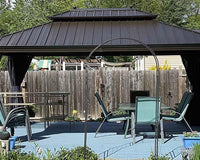
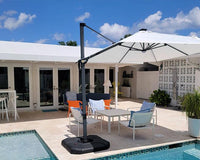
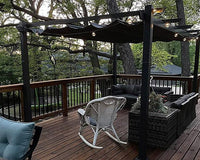
Use a patio umbrella, awning, pergola canopy, or exterior shade sail where installation conditions allow. Position it for the lower angle of afternoon sun, not only midday overhead sun. Check wind ratings, anchoring requirements, drainage, and local installation rules. Shade structures should not be attached to railings or walls without suitable support.
Use Removable Seat Pads
Light-colored outdoor cushions create a barrier between the user and a hot seat. Select quick-drying covers and inserts intended for exterior use. Store cushions when they are not needed. Leaving them wet can encourage staining, odor, or microbial growth.
Move or Cover the Furniture
If the layout allows, move stools into shade before use. Breathable furniture covers can reduce direct exposure, although some covers may trap heat and moisture if left on under unsuitable conditions. Allow hot furniture to cool before covering it. Follow the manufacturer’s instructions to avoid condensation or finish damage.
Plan the Patio Layout
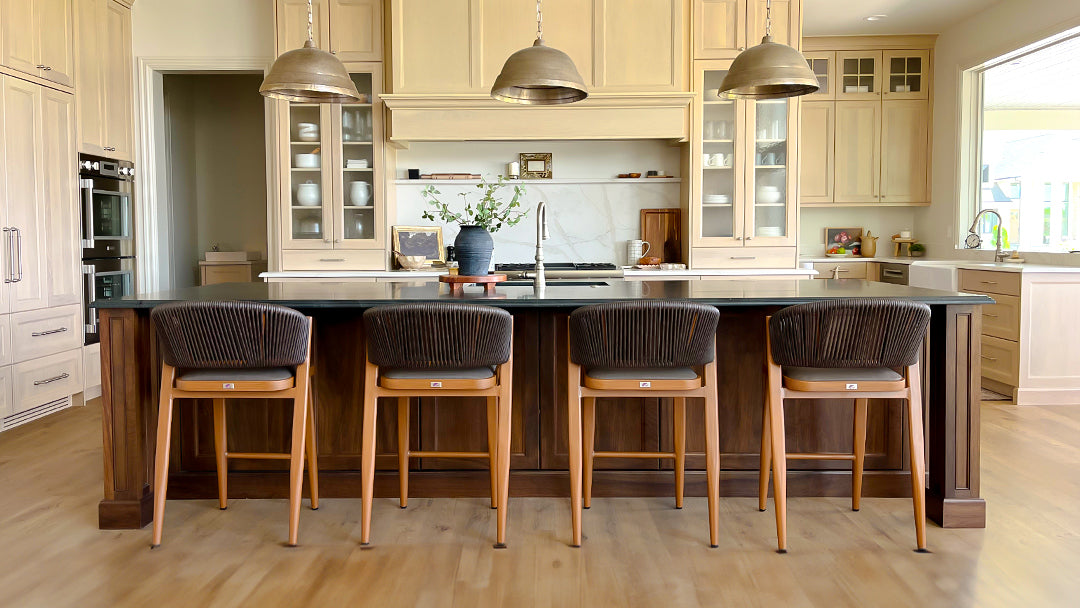
Place patio bar sets where a wall, roof extension, tree, or adjustable shade can block late-day sun. Remember that the sun’s angle changes by season. A setup that is shaded in spring may receive direct exposure in midsummer. Observe the area at the time when the furniture will usually be used.
Which Material Is Best for Your Patio?
For maximum heat comfort, choose light-colored sling, open resin wicker, HDPE, or wood seating. Use aluminum mainly for the frame or select a perforated, pale finish that minimizes direct skin contact.
Buyers seeking heat resistant outdoor stools should also consider UV exposure, rain, wind, maintenance, and storage. For most sunny homes, mixed-material designs provide a useful balance: a corrosion-resistant metal frame paired with a ventilated or low-conductivity seat.
Choose among patio bar sets according to actual exposure:
- Full afternoon sun: Light HDPE, pale wood, mesh, or open wicker
- Partial shade: Powder-coated aluminum with a ventilated seat
- Covered patio: Most outdoor-rated materials
- Poolside use: Moisture-resistant seating with quick drainage
- Windy balcony: Heavier, stable designs that meet space and railing rules
Choosing the Coolest Stool Material
Light-colored HDPE, sealed wood, open wicker, and breathable sling seats are usually the most comfortable choices for strong afternoon sun. Exposed dark metal presents the greatest risk of rapid heat transfer. Before buying, compare color, contact area, ventilation, UV resistance, and maintenance needs. When possible, combine an appropriate stool material with adjustable shade, since reducing direct solar exposure offers the most reliable improvement.
FAQs
Do Black Outdoor Stools Get Hotter Than White Ones?
Generally, yes, when the stools use the same material and surface finish. Dark colors tend to absorb more solar energy, while lighter colors reflect more. Material, texture, airflow, and exposure time can still change the result.
Does Powder-Coated Aluminum Stay Cool in the Sun?
No, not necessarily. Powder coating protects and colors the surface, but coated aluminum can still become hot. Pale colors, perforations, shade, and nonmetal seat inserts can improve comfort.
Is Wood Cooler Than Plastic in Direct Sun?
It depends on the wood, plastic, color, thickness, and finish. Both usually transfer heat to the body more slowly than exposed metal. Light-colored plastic or pale sealed wood may perform well, while dark versions can still become hot.
Can Outdoor Cushions Be Left in Direct Sun?
Yes, if the manufacturer permits it, but repeated UV exposure may fade or weaken some fabrics over time. Store or cover cushions when practical, and let wet cushions dry thoroughly before storage.