🚀 Project Snapshot: Colorado High-Wind Garden Makeover
- 📍 Location: Colorado, USA (High Wind & Hail Zone)
- 🌪️ The Challenge: Transforming an exposed, messy garden while battling 40+ mph wind gusts and thunderstorms.
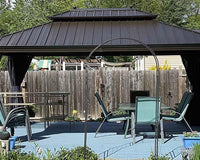
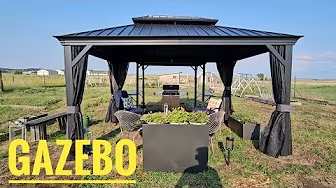
- 🛠️ The Solution: Purple Leaf 10'x13' Hardtop Gazebo (Grey)
- 💡 DIY Highlight: A creative "Cinder Block Anchor System" for dirt/grass installation.
- ✅ Key Result: A sturdy, waterproof refuge that didn't sway an inch during a severe storm.

Note: This feature is based on a real-life review by Chris from the YouTube channel TipsNNtricks. At Purple Leaf, we believe in "Accompanying for Longer," and Chris’s rigorous stress test proves that our structures are built to weather the storm—literally.
🏚️ The "Before": Clearing the "Apocalyptic Garden"
Chris didn't start with a pristine patio. He described his space as an "apocalyptic garden"—complete with an old metal structure, a rusty bench, and overgrown weeds. The goal? To turn this neglected patch of dirt into a "beautiful outdoor garden refuge."
The transformation began with four boxes containing the 10x13 Patio Gazebo.
- Organization is Key: Chris notes, "Everything is labeled absolutely beautifully."
- The Setup: He laid out the grey powder-coated steel frames and prepared for a solo build (mostly).
⚙️ Installation Wisdom: The "Loose Bolt" Trick
Building a patio gazebo can be daunting, but Chris shares a golden tip for the roof panels. If you struggle to slide the galvanized steel roof panels into the frame:
"Go ahead and loosen up your bolts on the corners... That will loosen the frame right here to be able to slip it in."
By keeping the frame slightly flexible during the roof assembly and tightening it after the panels are seated, you save hours of frustration.

⚓ The Genius DIY Hack: Anchoring on Dirt
This is the most critical part of the project. Chris didn't have a concrete slab or a wood deck. He was installing directly on garden soil in Colorado, a place known for "gusts of like 35 mph."
His Solution: The Cinder Block Anchor System
- Dig: Dig holes at the four corner locations.
- Level: Place cinder blocks into the holes, ensuring they are level.
- Strap: Use metal plumbing strapping (bands) wrapped around the cinder block and bolted directly to the gazebo's footers.
- Bury: Fill the blocks and the hole with dirt/sand and tamp it down.
The Result: "It looks like the posts are actually going in the ground so you can't see any of the hardware." This created a massive underground counterweight without burying heavy cinder blocks pouring permanent concrete.
⛈️ The Stress Test: 42.1 MPH Winds & Hail
Shortly after the build, a severe storm rolled through.
- Wind: The anemometer clocked gusts at 42.1 mph.
- Rain & Hail: Heavy rain and "softish" hail battered the roof.
How did the Hardtop Gazebo perform?
"This thing didn't even sway. Didn't even sway at all... Gazebo is looking like an absolute champ."
The double-roof design channeled water away perfectly through the gutter system, keeping the furniture and cushions underneath dry.

🛡️ Privacy & Comfort: More Than Just a Roof
Once the storm passed, the focus shifted to comfort. The gazebo comes with a dual-track system for bug netting and privacy curtains.
- Sun Protection: In the intense Colorado sun, the curtains provide what Chris calls "pretty much blackout" shade.
- Privacy: Perfect for blocking neighbors' views or creating an intimate dining space.
- Aesthetics: Chris finished the look with Purple Leaf solar lights and planter boxes, turning the grey structure into a warm, inviting centerpiece.
💡 Frequently Asked Questions (FAQ)
Q1: Can I install a Hardtop Gazebo on grass or dirt?
A: Yes, but you must anchor it. While pouring concrete footings is standard, Chris’s method of burying heavy cinder blocks and strapping the legs to them is a proven DIY alternative for stability.
Q2: How does the roof handle heavy rain?
A: The patio gazebo features a built-in gutter system. Rain hits the roof, flows into the channels along the edges, and drains down the pillars, keeping the center area dry.
Q3: Is it difficult to assemble?
A: It is a project, but the manual is detailed. As Chris suggests, having a helper makes lifting the roof frame much easier. Plan for a full day or a weekend.
Q4: Does it get hot underneath the metal roof?
A: The double-top design allows for airflow (ventilation), which helps heat escape. Additionally, the curtains can be used to block the low-angle sun that heats up the space.