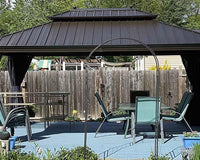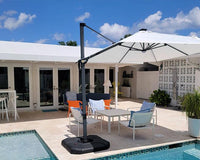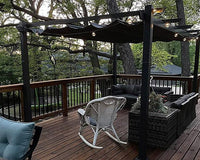
The best pergola accessories are the ones sized for your specific frame, rated for outdoor exposure, and easy to secure or remove when weather turns. In practice, that usually means looking first at lighting, shade, privacy, and fastening hardware, not just style, because the most durable pergola setup is the one you can actually maintain, clean, and stow correctly.

Which Pergola Add-Ons Are Worth Buying First
Start with the job the accessory solves, not the accessory itself. If you want the biggest day-to-day payoff, comfort and privacy usually beat decorative extras, and weather exposure should come before color or finish. In other words, pergola accessories are easiest to judge when you separate night use, enclosure, and side protection.
For Purple Leaf shoppers, fit is model-aware rather than universal. The same add-on category can work well on one frame and be a poor match on another if the mounting style, opening width, or side profile does not line up. A quick check of the frame and attachment path is more useful than assuming a brand-wide fit. If you are already browsing compatible structures, the Louvered Pergola collection is a sensible place to verify the base model first.

Lighting for Night Use
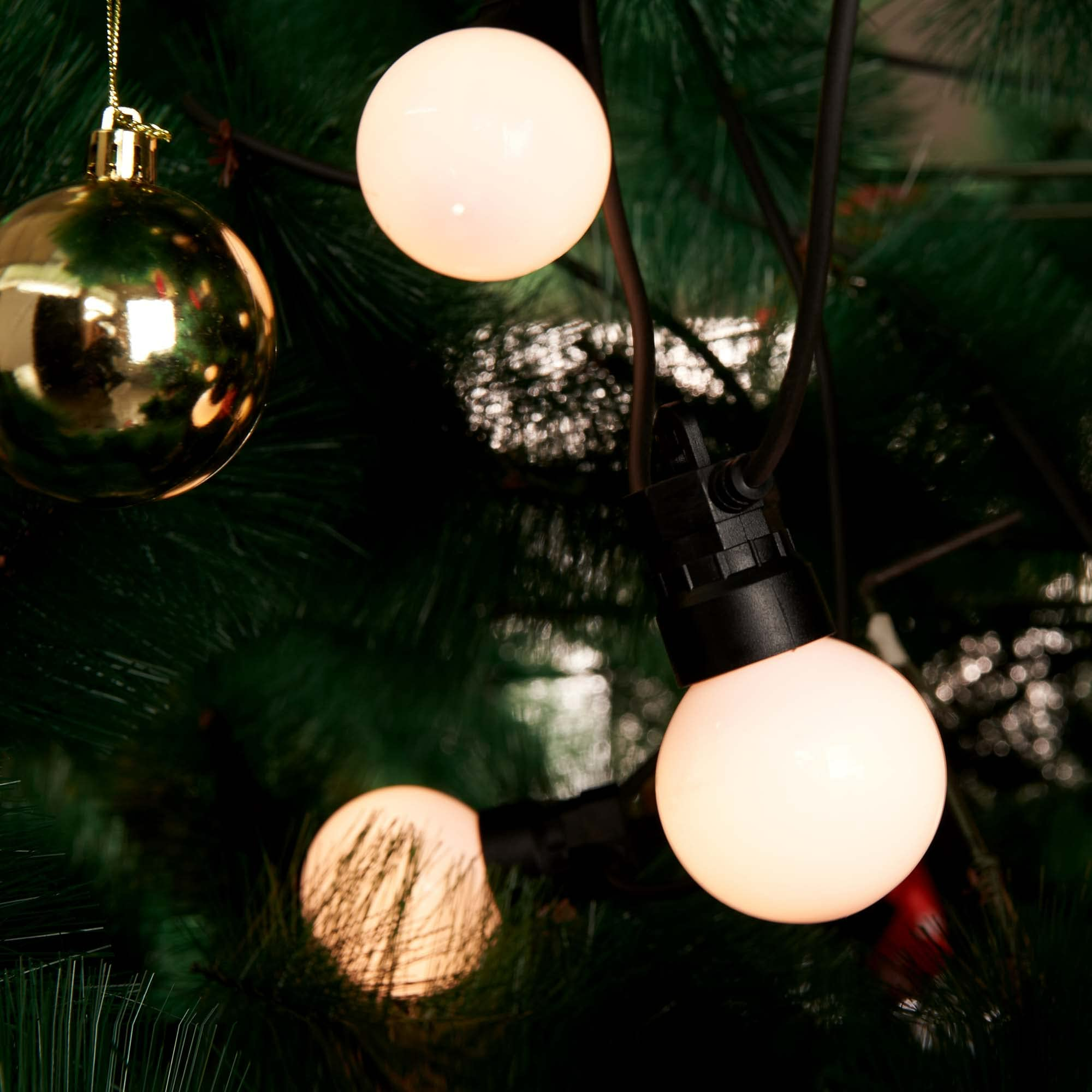
Lighting is usually the fastest way to make a pergola feel usable after sunset. It helps with visibility, but it also changes how the space feels, so this is often the first add-on to consider when evening use matters.
The key check is exposure, not just appearance. For sheltered outdoor lighting, IP44-rated outdoor lighting is a common minimum benchmark; for fixtures that are more fully exposed to rain or dust, IP65 outdoor fixtures are a stronger fit. That difference matters because a light can look fine in photos and still be underprotected for an exposed edge, open side, or splash-prone location.
Before you buy, check where the cord will run, where the transformer will sit, and whether the light is meant for sheltered, damp, or wetter placement. Hanging lights can work well on a pergola, but only if the attachment points and routing are clean enough that the install does not fight the frame.
Curtains for Privacy and Soft Enclosure
Curtains are the quickest way to create privacy without turning the pergola into a closed room. They soften glare, block some side views, and can make the space feel more finished with less hardware than a rigid panel system.
The trade-off is wind. Curtains are a softer option, so their value depends on how breezy the site is and how the fabric is mounted. Outdoor curtain specs should cover more than color, including material construction and any flame-resistance documentation that applies to your setting. For example, one Purple Leaf curtain spec guide calls out outdoor curtain fabric and flame resistance, which is the kind of detail worth checking before you buy.
If your yard gets regular gusts, curtains usually need to be tied back, weighted, or removed more often than screens do. That does not make them a bad choice. It just means they are a comfort upgrade with more maintenance than a fixed side element.
Side Screens and Privacy Panels
Side screens and privacy panels are often the steadier choice when the pergola model supports them. Compared with loose curtains, they usually give more predictable side blocking and less flapping in breezier spots.
This is where fit matters most. A screen that looks ideal on a product page may still fail the real test if the frame needs a specific rail, bracket, or opening size. Before ordering, confirm which side, track, or attachment style your pergola accepts. That is especially important if you want a more structured look rather than a decorative drape.
For buyers who want the cleanest result, screens are worth considering when privacy is the main problem and the site gets enough wind that curtains would feel fussy. In that case, the best pergola accessories are usually the ones that reduce adjustment, not the ones that add another daily task.
Weather Protection Priorities
It helps to be clear about what you are trying to solve. Shade, privacy, and rain handling are different buying problems, and the right accessory changes with each one. If you mainly want cooler seating, overhead control may matter more than side coverage. If you mainly want seclusion from neighbors, a side layer matters more than a light kit.
The important boundary is that accessories are not storm protection. They can improve comfort and reduce exposure, but they do not replace structural planning. When wind is expected to get strong, retracting accessories before strong wind is the safer rule because loose fabric and lightweight panels can add strain fast.
That is the real meaning of "holds up." It is not a promise that an add-on survives every condition. It is a check on whether the piece fits the frame, stays manageable in the weather you actually get, and can be removed or stowed before it becomes a problem.
How Do Lights, Curtains, and Screens Compare for Real-World Use?
| Add-On Type | Best For | Main Trade-Off | Best Fit When |
|---|---|---|---|
| Lighting | Evening use and ambiance | Needs exposure-aware wiring and routing | You want the space usable after dark |
| Curtains | Privacy and softer enclosure | More flutter and more maintenance in wind | The yard is sheltered or partly sheltered |
| Screens | Stronger side blocking | Tighter fit and more specific mounting needs | Privacy matters more than a decorative look |
| Mixed setup | Comfort plus selective weather control | More parts to maintain | You want one main job solved first, then one secondary layer |
For most shoppers, lighting is the fastest comfort upgrade, curtains are the easiest soft-privacy add-on, and screens are the better choice when wind makes loose fabric frustrating. The best pergola accessories are the ones that match the exposure level, not the ones that try to do everything at once.
Fasteners and Mounting Hardware Matter More Than Most Shoppers Think
A good accessory can still fail early if the hardware corrodes, loosens, or flexes too much. That is why brackets, clips, anchors, and screws are part of the buying decision, not just the install step.
Look at the attachment method first. If the accessory depends on thin clips or light-duty brackets, ask whether it will be opened, closed, or adjusted often. That matters more than a polished photo. In humid or coastal areas, corrosion resistance becomes part of the real durability question.
If you are choosing between two similar add-ons, the one with better mounting hardware is often the safer long-term buy, even if the fabric or trim looks less flashy. Pergola accessories do not last because they look sturdy. They last because the weak points are built for outdoor wear.
When to Choose Fewer Add-Ons
A pergola can get overworked quickly if you layer too many pieces at once. Lights, curtains, screens, fans, and heaters can all be useful, but every added part brings another fit check, another cleanup point, and another item exposed to sun and moisture.
If your space is windy, start with removable or retractable pieces. If your space is sheltered, focus on lighting and one side-control layer before adding more. That approach keeps the setup easier to maintain and helps you spend on the accessory that solves the real problem first.
Before You Buy, Confirm the Model and Mounting Style
The most common regret is not style, it is compatibility. Measure the opening, check the frame profile, and confirm the mounting method before you order. A curtain or screen that fits the wrong opening is not a small inconvenience. It is a return.
A model-aware approach also makes the next decision easier. If you know the frame accepts a certain attachment type, you can narrow the search fast and avoid overbuying. For a cleaner next step, use the cozy outdoor dining guide as a planning companion, then pair it with the base model path that matches your pergola.
The most durable upgrade path is usually the least dramatic one: verify the frame, match the outdoor rating, choose weather-aware materials, and keep anything loose easy to remove when conditions worsen. That is the safest way to build pergola accessories into a setup that stays useful through more than one season.
If you are ready to buy, check your model compatibility first, then browse the matching pergola accessory path so the parts you choose fit cleanly and stay easier to maintain through the seasons.
FAQs
What Pergola Add-On Usually Lasts the Longest?
Hard-mounted lighting and solid hardware often last longer than soft goods because they have fewer loose edges and less wind movement. The catch is that the fixture still needs the right outdoor rating and a clean installation path.
Can I Leave Curtains on My Pergola Year-Round?
Only if your climate, fastening method, and fabric choice support it. In windy areas, year-round use usually creates more wear at the hem, grommets, and clips, so a retractable setup is easier to live with.
Are IP44 Lights Enough for a Pergola?
They can be, if the light is in a more sheltered spot. If the fixture sits closer to open exposure or gets more direct moisture, a higher protection level like IP65 is usually the safer comparison point.
Do Outdoor Curtains Need Flame-Retardant Fabric?
Sometimes, yes, depending on where and how they are used. Private backyard use and code-sensitive settings are not the same, so check the fabric documentation before buying if the space needs a specific rating.
What Should I Remove Before High Wind?
Loose curtains, lightweight panels, and anything that can flap freely should be the first items to retract or remove. That reduces strain on the mounting points and lowers the chance of damage to the accessory or the frame.